.webp) gametoptop.com
gametoptop.comBeamNG.drive Suspension Tuning: How Weight Transfer Creates Understeer and Oversteer
Introduction
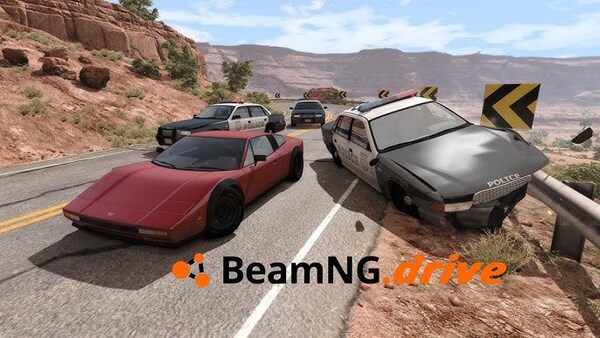
In BeamNG.drive, vehicle handling depends heavily on suspension behavior and weight transfer. A car may have powerful tires and a strong engine but still feel unstable because the suspension is poorly balanced.
Understanding when a car understeers or oversteers helps you tune it more effectively. Instead of changing random settings, focus on how the vehicle reacts during braking, cornering, and acceleration.
Identify the Handling Problem
Before changing the suspension, determine when the problem happens. Does the car understeer when entering a corner, become unstable during braking, or oversteer when accelerating?
Test the same corner several times at similar speeds. This makes it easier to identify the exact problem.
Braking Changes Weight Distribution
Heavy braking shifts weight toward the front wheels. This can improve front-end grip but make the rear of the vehicle lighter and easier to destabilize.
Brake balance is important because too much rear braking can make the car difficult to control during corner entry.
Turn-In Depends on Front Suspension
If the car refuses to turn, the front suspension may not be responding correctly. Excessive body movement can make steering feel slow, while an overly stiff setup can reduce tire contact on uneven surfaces.
The goal is a balance between responsiveness and tire grip.
Anti-Roll Bars Affect Balance
Anti-roll bars reduce body roll but also influence how grip is distributed between the wheels.
A very stiff front anti-roll bar can increase understeer, while changes to the rear bar can affect how easily the car rotates through corners.
Damping Controls Suspension Movement
Springs determine how strongly the suspension resists movement, while dampers control how quickly that movement occurs.
Too little damping can make the car bounce and feel unstable. Too much damping can make it harsh and reduce its ability to follow uneven surfaces.
Acceleration Can Cause Oversteer
When accelerating, weight moves toward the rear. Rear-wheel-drive cars may gain traction, but too much engine torque can still cause wheelspin and oversteer.
Front-wheel-drive cars can instead lose front grip during acceleration, creating corner-exit understeer.
Smooth throttle control is therefore just as important as suspension tuning.
Ride Height Matters
Lowering a vehicle can improve stability by reducing the center of gravity, but going too low can reduce suspension travel.
If the suspension bottoms out, the car can suddenly become difficult to control. A good ride height must match the road and driving conditions.
Tires and Suspension Work Together
Suspension cannot compensate for unsuitable tires. A setup that works well with high-grip tires may behave very differently with standard road tires.
For accurate testing, keep the tire type, pressure, vehicle load, and driving conditions consistent.
Check the Differential
Not every handling problem comes from the suspension. Differential settings can strongly affect cornering, especially when accelerating.
If the car handles well while coasting but suddenly pushes wide under throttle, investigate the drivetrain before making major suspension changes.
Test One Change at a Time
The best way to tune a BeamNG.drive vehicle is to make small adjustments and test them consistently.
A simple process is:
- Establish a baseline.
- Identify the exact handling problem.
- Test braking and corner entry.
- Test mid-corner behavior.
- Test acceleration on corner exit.
- Change one setting.
- Repeat the same test.
Conclusion
BeamNG.drive suspension tuning is mainly about controlling weight transfer and keeping the tires working effectively. Spring rates, damping, anti-roll bars, ride height, tires, and differential settings all influence how a vehicle behaves.
Instead of searching for one perfect setup, identify the exact problem and make controlled adjustments. A good suspension setup should make the car predictable, stable, and easier to control throughout the entire corner.