.webp) gametoptop.com
gametoptop.comBurglin' Gnomes Tips & Guides: How to Plan Better Heists, Complete Tasks, and Escape Alive
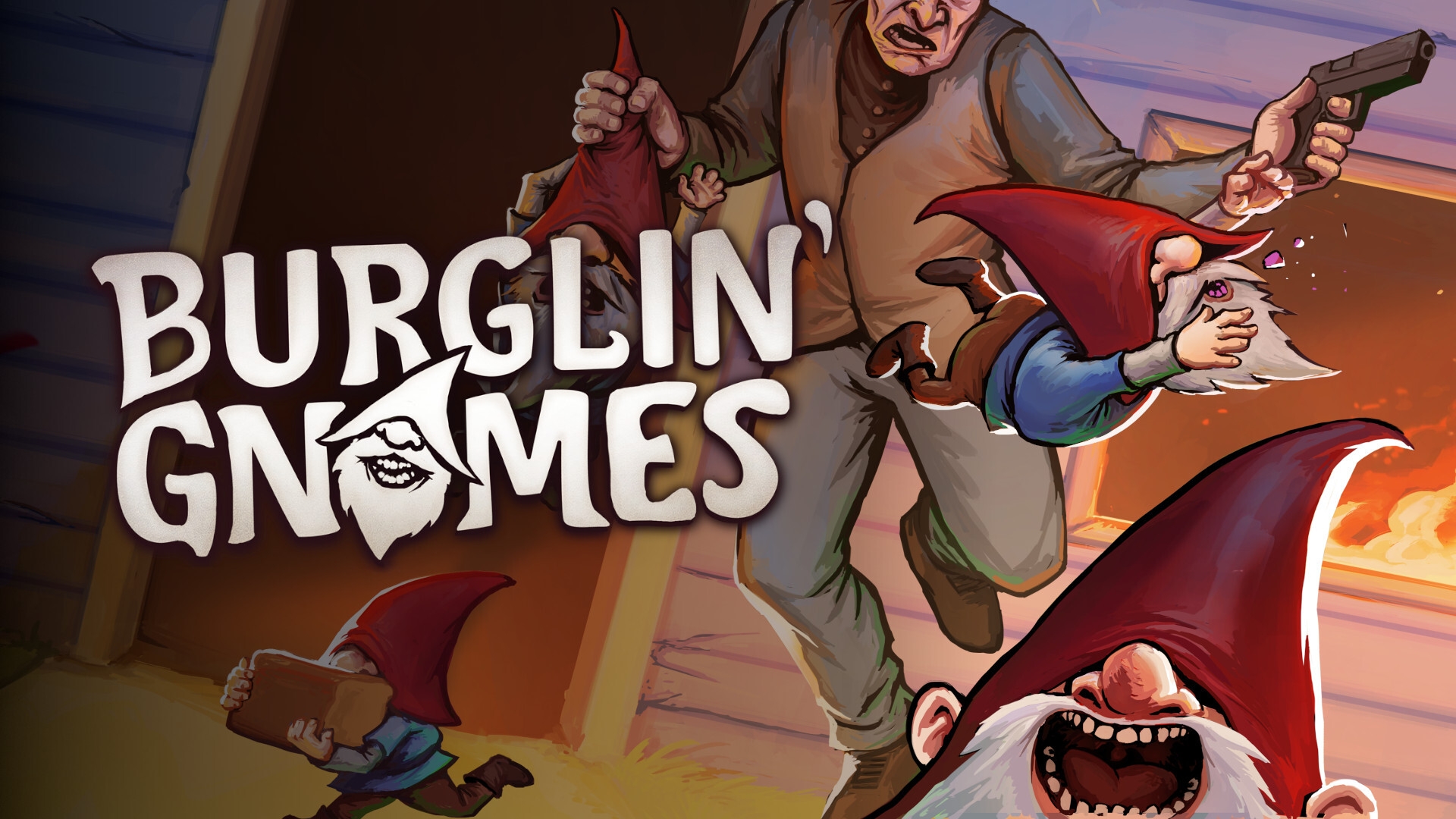
Burglin' Gnomes may look like a chaotic game about tiny garden gnomes breaking into human houses and stealing anything they can carry, but successful runs require much more than randomly grabbing valuable objects. The game combines co-op heists, stealth, physics-based chaos, exploration, crafting, dangerous enemies, and task management. Your crew must avoid danger, repurpose stolen household items, satisfy the High-Gnome's demands, and eventually escape with the rewards of a successful mission.
That combination creates one important lesson for new players: a successful run is not necessarily the run where you steal the most things. It is the run where your team completes the important objectives, manages danger, avoids unnecessary disasters, and knows exactly when it is time to leave. Many failed heists begin because players become distracted by loot and forget that survival and task completion matter more than one extra valuable item.
This guide focuses on the most practical strategies for improving your Burglin' Gnomes runs. From preparing your crew before entering a house to reading the task list, choosing loot, surviving dangerous encounters, crafting useful equipment, and organizing your final extraction, these tips are designed to help players turn chaotic burglaries into more consistent successes.
Understanding the Real Goal of Every Heist
The first mistake many new players make is assuming that Burglin' Gnomes is simply about stealing as much loot as possible. Loot is important, but it is only one part of the mission. The core gameplay loop involves entering a house, dealing with the dangers inside, completing tasks for the High-Gnome, gathering useful items, and successfully extracting from the run.
This means every decision should be measured against one simple question: does this help the team finish the mission safely? If the answer is no, the action may be creating unnecessary risk. Picking up one more object can be fun, but not if it causes the crew to lose track of its objectives or remain inside the house after the situation becomes dangerous.
Read Your Objectives Before Getting Greedy
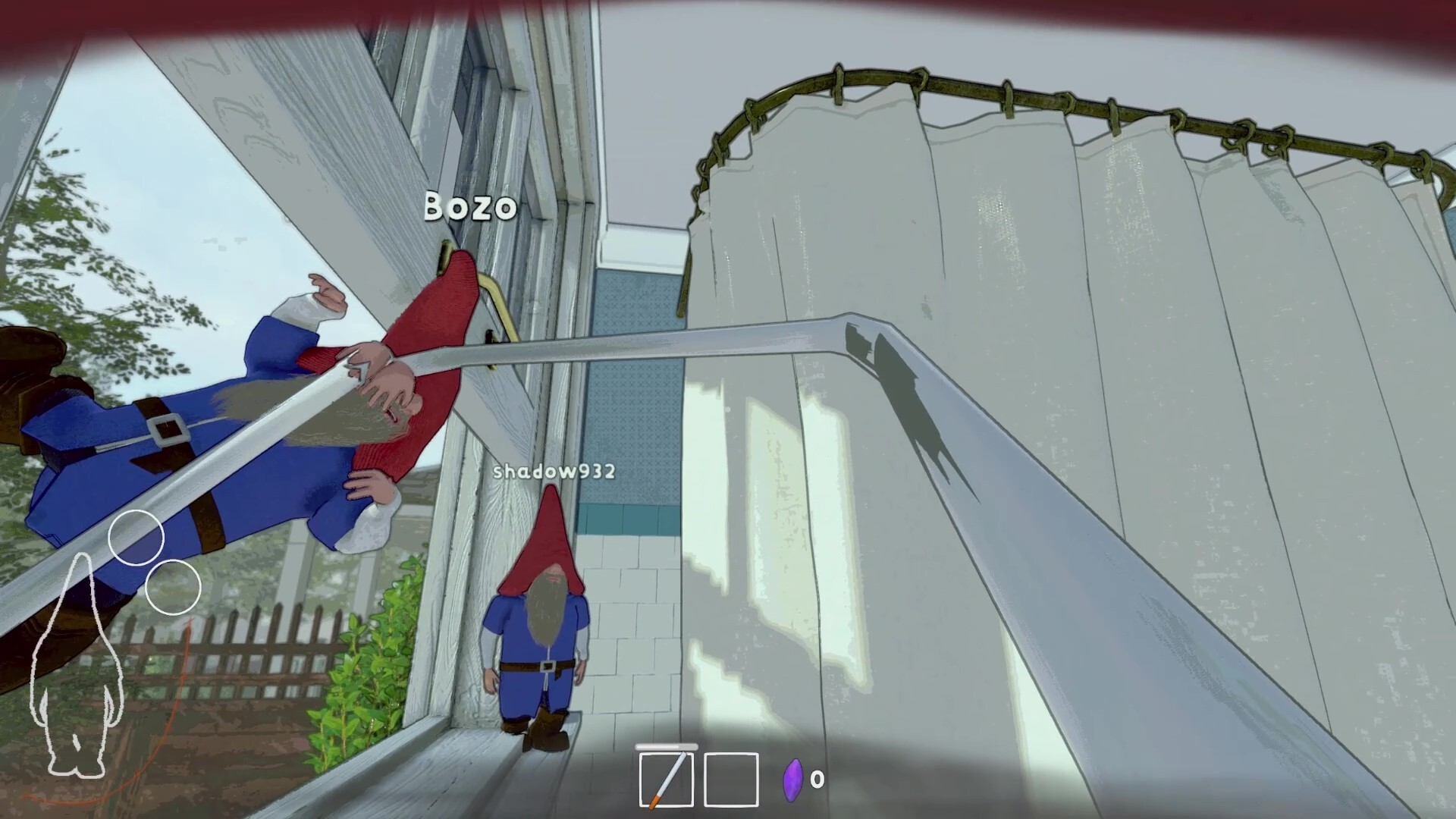
The task list should be your first priority when a run begins. Community guides consistently emphasize checking the High-Gnome's requirements and understanding what must be completed before focusing heavily on optional loot. Some runs require players to reach a specific task target before extraction becomes a successful conclusion.
Take a moment to understand what the tasks actually require. Clicking or reviewing objectives can provide more information about what you need to find or accomplish, helping you avoid wasting time searching blindly.
A good mental priority is:
Complete the required tasks.
Secure useful resources.
Collect high-value loot when it is safe.
Prepare for extraction.
Leave before greed destroys the run.
A Partial Haul Is Better Than Losing Everything
One of the most important habits to develop is knowing when enough is enough.
A successful extraction with moderate loot is usually more valuable than a disastrous attempt to collect everything in the house. Once your objectives are complete and your crew has gathered worthwhile rewards, every additional minute becomes a risk-versus-reward decision.
The best Burglin' Gnomes players do not necessarily stay the longest. They recognize the moment when the mission has already become successful and protect that success.
Plan Your Crew Before Entering the House
Burglin' Gnomes becomes significantly easier when players understand what their teammates are doing. A group of gnomes running in different directions can quickly turn a simple mission into confusion, especially when danger appears.
Before entering, spend a few seconds discussing the basic plan.
Who will scout ahead?
Who will focus on tasks?
Who will carry large objects?
Who will watch for danger?
Who will make the final decision to retreat?
Clear roles are particularly valuable in co-op because they prevent multiple players from doing the same job while another important responsibility is ignored. Community guides frequently recommend assigning simple roles such as scout, hauler, distractor, or anchor before the chaos begins.
The Scout
The scout should focus on information.
Their job is not necessarily to carry the most loot. Instead, they move ahead carefully, identify useful rooms, locate possible threats, and communicate important discoveries to the rest of the team.
A good scout can prevent the entire crew from walking blindly into danger.
The Hauler
The hauler focuses on transporting valuable or useful objects.
This role is especially important when the team finds heavy loot or items that require coordination to move efficiently.
The hauler should avoid wandering into unnecessary danger. Their value comes from turning discovered resources into secured rewards.
The Task Specialist
One player should pay particular attention to the High-Gnome's requirements.
This person can remind the team which objectives remain incomplete and prevent everyone from becoming distracted by random loot.
Without someone tracking progress, teams often discover too late that they spent most of the mission doing things that did not actually move them closer to completion.
Start Every Run by Reading the Environment
Once you enter a house, resist the temptation to immediately sprint toward the first interesting object.
The opening moments of a heist should be used for observation.
Look for entrances, windows, possible escape routes, dangerous rooms, useful resources, and obvious task locations. The environment is often large compared with your tiny gnome, so understanding the layout early can save a huge amount of time later.
Find More Than One Way Out
Never assume the route you used to enter will remain the best route for leaving.
During your early exploration, try to identify multiple possible exits.
This becomes extremely important when danger forces the team to retreat quickly.
A useful checklist is:
Where did we enter?
Where can we hide?
Where can we regroup?
Where can we stage loot?
Which route is closest to extraction?
Use Vertical Exploration
Being tiny is not only a disadvantage.
Community tips have highlighted the usefulness of climbing environmental objects such as hedges and vines around windows in certain situations.
Always look upward as well as forward.
Furniture, windows, plants, and other household objects can potentially create routes that are not obvious when you only think about moving across the floor.
Finish Easy Tasks Before the House Becomes Dangerous
The safest time to complete objectives is usually before the mission becomes chaotic.
When the team first enters the house, use the relative calm to identify simple tasks that can be completed quickly. Community guides recommend prioritizing straightforward objectives before leaving complicated or dangerous tasks for later.
This strategy reduces pressure later in the run.
If danger increases, your team will already have made progress toward the required objective target.
Use a Risk-Based Task System
Not every task deserves equal priority.
You can divide objectives into three broad categories:
Low-risk tasks that are quick and easy.
Medium-risk tasks that require exploration or coordination.
High-risk tasks that place the crew near serious danger.
Complete the low-risk objectives first whenever possible. This gives the team guaranteed progress before attempting anything complicated.
Combine Tasks With Exploration
Try to avoid making separate trips for every objective.
If one room contains multiple useful items or task opportunities, complete everything possible before leaving.
Efficient exploration reduces travel time and limits the number of times you need to cross dangerous areas.
The goal is not to move faster randomly. The goal is to make every movement accomplish more than one thing.
Do Not Let Loot Distract You From the Mission
Loot is one of the most entertaining parts of Burglin' Gnomes. The physics-based chaos of stealing and repurposing household objects is central to the game's identity. However, players can easily become distracted by objects that look funny or interesting but do not meaningfully improve the run.
A good crew learns to distinguish between valuable loot and distracting loot.
Ask Three Questions Before Carrying Something
Before committing time to an item, ask:
Is it actually valuable or useful?
Can we transport it safely?
Does taking it interfere with our current objectives?
If the answer suggests that the object will create more trouble than reward, leave it behind.
Stage Valuable Loot Instead of Carrying It Everywhere
If your team finds useful or valuable items early, consider moving them toward a convenient staging area rather than carrying them around during the entire mission.
This reduces clutter and allows the crew to focus on completing tasks.
Later, when extraction becomes the priority, the team can collect the staged resources and move them efficiently.
Manage Noise and Chaos Carefully
Burglin' Gnomes can become chaotic very quickly, especially when multiple players interact with objects, enemies, and environmental hazards at the same time.
One useful way to think about stealth is as a limited resource. Every unnecessary action can potentially make the situation more difficult.
Community strategy guides specifically describe noise management as an important part of successful runs and recommend avoiding unnecessary movement or actions that create escalating problems.
Do Not Run Without a Reason
Running everywhere feels efficient, but it can create unnecessary chaos.
Use fast movement when:
You are escaping.
You are responding to an emergency.
The route is already safe and understood.
Otherwise, controlled movement often gives the team more time to react.
Avoid Creating Multiple Problems at Once
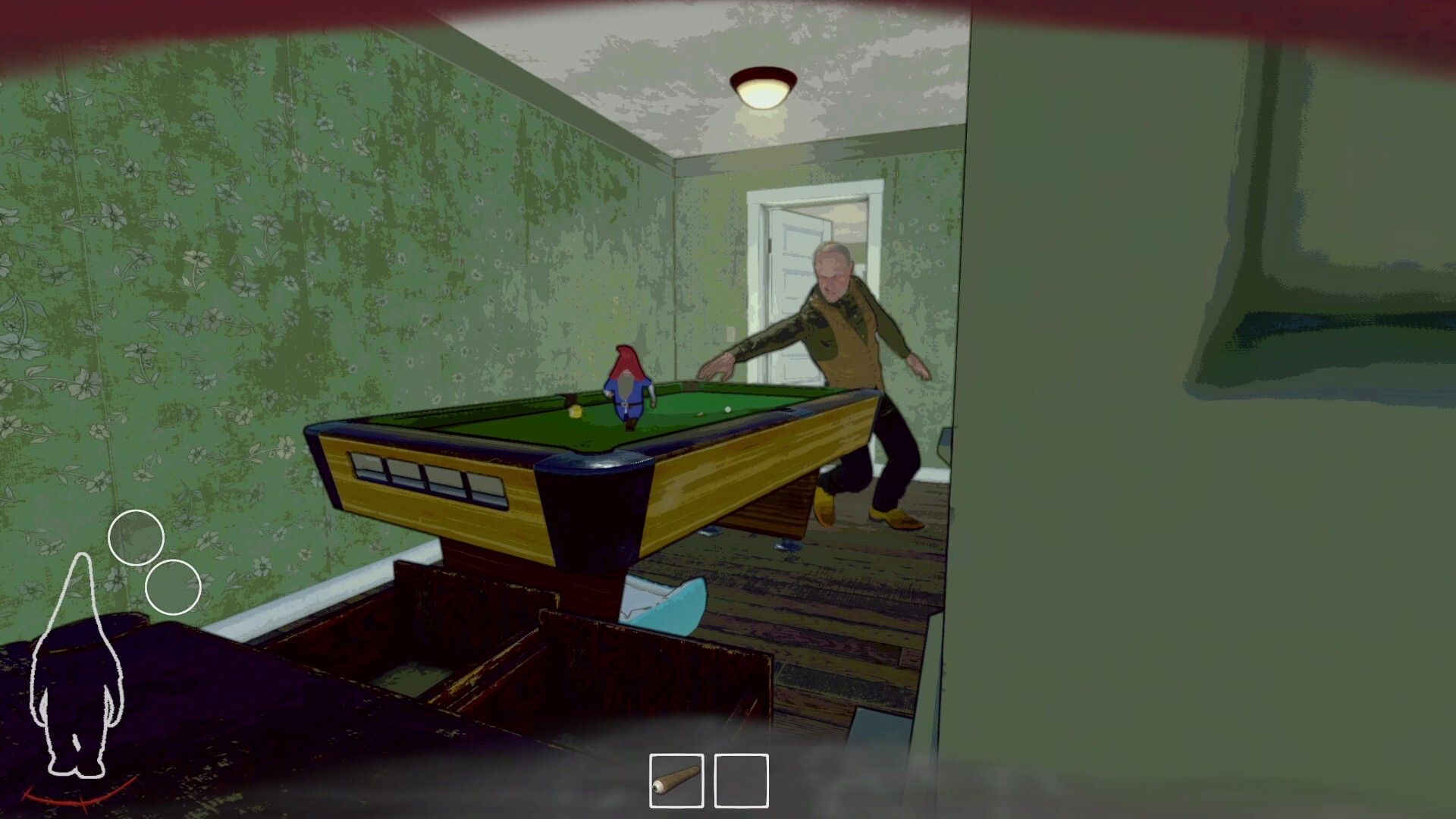
The worst situations usually happen when several disasters overlap.
One player attracts danger.
Another player starts moving heavy loot.
Someone else becomes separated.
A fourth player begins another risky task.
Suddenly, nobody knows what the team is trying to accomplish.
When something goes wrong, stop creating new problems. Focus on solving the current emergency first.
Learn When and How to Fight Back
Although stealth and avoidance are important, players are not always completely helpless. Community tips highlight several items that can be used defensively, including boxing gloves, pickaxes, flashlights, and the Marble Gun in appropriate situations.
The key is understanding that combat should be a solution, not the default plan.
Use What the House Gives You
Do not spend the entire run waiting for one specific weapon.
If the environment gives you something useful, consider how it can solve the immediate problem.
Improvisation is part of Burglin' Gnomes.
The best tool is often the one already available when the situation becomes dangerous.
Be Careful With Physics
Weapons and dangerous objects can create unexpected problems.
Community advice specifically warns that items such as knives and explosives can also be dangerous to the player or the team if handled carelessly.
Before using a dangerous item, check:
Where are your teammates?
Where will the object travel?
Can the attack hit you?
Do you have room to escape afterward?
A successful attack is not useful if it creates a bigger disaster.
Stay Together Until the House Is Understood
Splitting the team can be efficient, but doing it too early is dangerous.
New players often see a large house and immediately send every gnome in a different direction. This creates more information, but it also creates more opportunities for someone to become isolated.
Community beginner guides recommend staying relatively grouped until a scout has identified safer zones and the team understands the layout.
Explore Together First
During the opening stage of a mission, move as a small group or in pairs.
This gives players support if danger appears and makes communication easier.
Once the important areas are understood, the team can divide responsibilities more safely.
Split With a Purpose
Never split simply because everyone wants something different.
Split when there is a clear reason.
For example:
One pair completes a known task.
One player moves staged loot.
The scout checks the next safe room.
Everyone agrees where to regroup afterward.
Purposeful splitting creates efficiency. Random splitting creates confusion.
Craft Equipment That Solves Real Problems
Burglin' Gnomes includes crafting and home upgrades that can make future missions easier. The official Steam description specifically highlights crafting equipment and upgrading your home as part of the progression system.
The important strategy is not simply crafting everything as soon as possible.
Instead, prioritize upgrades that improve the problems your team actually experiences.
Identify Your Biggest Weakness
After each failed or difficult run, ask what caused the problem.
Were you too slow?
Could you not carry enough?
Did stealth fail repeatedly?
Did the team struggle with dangerous encounters?
Did you waste too much time?
Your next upgrade should ideally address one of those weaknesses.
Prioritize Long-Term Value
The best early investments are usually the ones that improve many future runs.
An upgrade that makes every mission slightly easier can provide more value than a highly specialized item used only in rare situations.
Think about progression as building a better foundation for the next heist.
Do Not Forget the Power of the Gnome Base
Your home is more than a decorative space.
Because the game allows players to craft equipment and upgrade their home, progression between missions can be just as important as what happens inside the target house.
A crew that learns from each mission becomes stronger even when a particular run ends badly.
Turn Every Failure Into Information
If the team gets caught, ask why.
If extraction fails, ask what preparation was missing.
If someone dies while carrying loot, ask whether that item was worth the risk.
A failed run should provide information for the next one.
Create a Simple Upgrade Priority
A practical upgrade priority can be:
Mobility improvements.
Survival or stealth tools.
Carrying efficiency.
Specialized equipment.
Luxury or experimental upgrades.
The exact order can change depending on your playstyle, but early upgrades should generally make normal missions more reliable.
Know When the Mission Has Become Too Dangerous
One of the biggest differences between beginners and experienced players is retreat discipline.
Beginners often continue because they believe they can recover the situation.
Experienced players recognize when the situation has crossed from profitable into dangerous.
This is especially important when your team has already completed the main tasks.
Establish a Retreat Signal
Before the mission begins, agree on a simple signal.
When someone calls for retreat, everyone understands that the priority has changed.
The team should stop searching for optional loot and focus on regrouping.
This prevents the classic co-op problem where one player is escaping while another player is still looking for treasure.
Do Not Rescue Every Bad Situation
Sometimes attempting to save one teammate creates a chain reaction that puts everyone in danger.
Evaluate the situation before committing the entire crew.
Can the player be rescued safely?
Is there time?
Will the rescue prevent extraction?
Will multiple teammates become trapped?
Teamwork is important, but smart teamwork includes knowing when a rescue attempt will only make the disaster worse.
Prepare Your Loot Before Extraction
Extraction should not begin with everyone suddenly realizing that their best items are scattered across the entire house.
Good teams prepare for the final phase throughout the mission.
Staging valuable items closer to convenient routes can dramatically reduce the amount of chaos during the escape.
Create a Loot Collection Point
Choose a location that is:
Easy for the team to remember.
Reasonably safe.
Accessible from multiple areas.
Close enough to the eventual escape route.
Bring important loot there as the mission progresses.
This creates a much more organized final phase.
Stop Collecting When Extraction Begins
Once the team has decided to leave, commit to leaving.
Do not turn around because someone notices one more interesting item.
This is one of the simplest rules in the game and one of the hardest for players to follow.
The moment you decide to extract, optional loot should become irrelevant unless it is directly on the route.
Master Extraction Before Chasing Perfect Runs
Burglin' Gnomes guides consistently emphasize extraction as a critical stage of every mission, including timing your escape correctly and avoiding the mistake of remaining in the area for too long.
Many teams play the first part of a mission well and then lose everything because the final escape becomes disorganized.
Regroup Before Moving Out
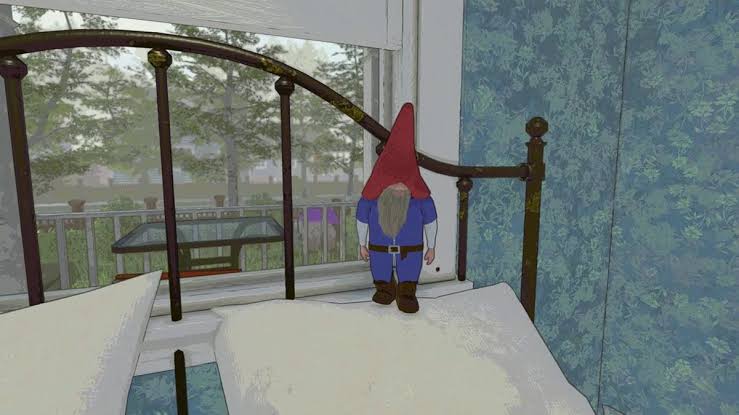
Before beginning the final escape, confirm:
Are the required tasks complete?
Where is every teammate?
Who is carrying important loot?
Which route are we taking?
Is anyone still exploring?
A ten-second conversation can prevent a failed extraction.
Move as a Team
The final phase is not the time for individual adventures.
Stay aware of slower teammates and players carrying important objects.
If the crew becomes separated during extraction, communicate immediately rather than assuming everyone knows what to do.
The Best Overall Strategy: Controlled Chaos
Burglin' Gnomes is designed to be funny, unpredictable, and chaotic. Trying to eliminate every unexpected moment would remove part of what makes the game entertaining.
The goal is not perfect control.
The goal is controlled chaos.
You should allow room for experimentation and ridiculous physics interactions while maintaining a clear understanding of the mission.
The Five-Step Formula for Better Runs
A strong Burglin' Gnomes mission can be summarized with five steps:
Plan before entering.
Complete important tasks early.
Collect valuable resources efficiently.
Control danger instead of creating more of it.
Leave when the mission is already successful.
This formula works because it keeps the team focused without making every mission feel identical.
Let the Chaos Happen After the Plan Exists
Funny moments are much easier to enjoy when they do not destroy the entire run.
Once the crew has completed the important tasks and secured useful loot, experimentation becomes less dangerous.
The best Burglin' Gnomes stories often happen when a good plan suddenly meets the unpredictable physics and dangers of the house.
A plan gives you something to recover to when everything goes wrong.
Conclusion
Burglin' Gnomes is much more than a game about tiny gnomes stealing household objects. It is a co-op game about balancing stealth, exploration, task completion, loot management, crafting, survival, and perfectly timed escapes. The official game description captures this combination by challenging players to break into houses, avoid danger, repurpose stolen items, satisfy the High-Gnome, craft equipment, and upgrade their home for increasingly successful missions.
The biggest tip for improving your gameplay is to stop treating every object as equally important. Objectives come first. Safe progression comes second. Valuable loot comes after that. Once you understand this priority, your runs become far more consistent.
Plan your crew before entering, read the environment carefully, finish easy tasks before danger increases, and avoid splitting the team without a reason. Use the tools you find creatively, but respect the unpredictable physics that can turn a weapon into a danger for your own crew.
Most importantly, learn when to leave.
A successful Burglin' Gnomes player is not the one who steals everything in the house. It is the one who understands what the mission requires, gets the team through the dangerous moments, secures worthwhile rewards, and escapes before one final greedy decision destroys the entire run.
The house will always contain more things to steal. Your next successful heist begins by making sure you survive this one.