.webp) gametoptop.com
gametoptop.comMario & Luigi: Brothership and the Collapse of Connection in Concordia: How Isolation Became the Greatest Threat to an Entire World
Introduction
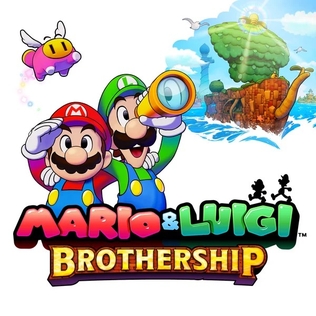
At first glance, Mario & Luigi: Brothership appears to be a colorful adventure about sailing between islands, solving puzzles, battling enemies, and reconnecting a fractured world. Like many Mario RPGs, it features humor, exaggerated characters, and creative environments. Players spend much of the game exploring the oceanic world of Concordia, reconnecting islands, helping local communities, and strengthening the bond between Mario and Luigi.
However, beneath the cheerful presentation lies a surprisingly serious central issue. The real conflict of Brothership is not the battle against monsters, nor even the struggle against the villain Zokket. The deeper issue is the collapse of connection itself. The entire world of Concordia was once united by the Uni-Tree and the power of Connectar, but after a catastrophe shattered that system, the continent broke apart into drifting islands separated physically, emotionally, and socially. The game's core theme is "connection" and "bonds," something Nintendo's developers repeatedly identified as the foundation of both the gameplay and narrative.
Rather than discussing the game generally, this article examines one specific issue in depth: how isolation spread throughout Concordia, why separation became the world's greatest danger, and how every major event in the story revolves around repairing broken connections. In many ways, Brothership is less about defeating a villain and more about rebuilding relationships.
1. Before the Disaster: A World Built on Connection
The Original Concordia
Before the events of the game, Concordia was not an archipelago.
It was a single connected continent.
At the center stood the Uni-Tree, a massive structure that linked the world together through a special energy known as Connectar. This energy was not merely a power source. It represented the very mechanism that allowed Concordia's people, locations, and communities to remain connected.
The significance of this design cannot be overstated.
Most fantasy worlds use magical energy to power machines or perform spells.
Connectar served a different purpose.
It maintained relationships.
Connection as Infrastructure
The world depended upon:
- Shared communication
- Travel routes
- Community cooperation
- Emotional bonds
- Social networks
The Uni-Tree was effectively the physical embodiment of these ideas.
This means the destruction of the Uni-Tree was never merely an environmental disaster.
It was the collapse of society's connective tissue.
When the tree fell, the world lost far more than geography.
It lost unity itself.
2. The Fracturing of Concordia
The Moment Everything Broke Apart
The defining event in Brothership occurs before the player even arrives.
The original Uni-Tree is destroyed, causing Concordia to split into numerous drifting islands scattered across the sea.
This is one of the most important narrative decisions in the game.
The destruction is not presented merely as physical damage.
It becomes a metaphor.
A world that once functioned together becomes fragmented.
Why Separation Matters
Physical distance creates consequences.
When islands drift apart:
- Trade becomes difficult.
- Communication becomes difficult.
- Cooperation becomes difficult.
- Trust becomes difficult.
Over time, separation creates misunderstanding.
Misunderstanding creates division.
Division creates conflict.
The game's entire story emerges from this chain reaction.
The broken world is not simply a setting.
It is the central problem.
3. The Arrival of Mario and Luigi
Why the Brothers Matter
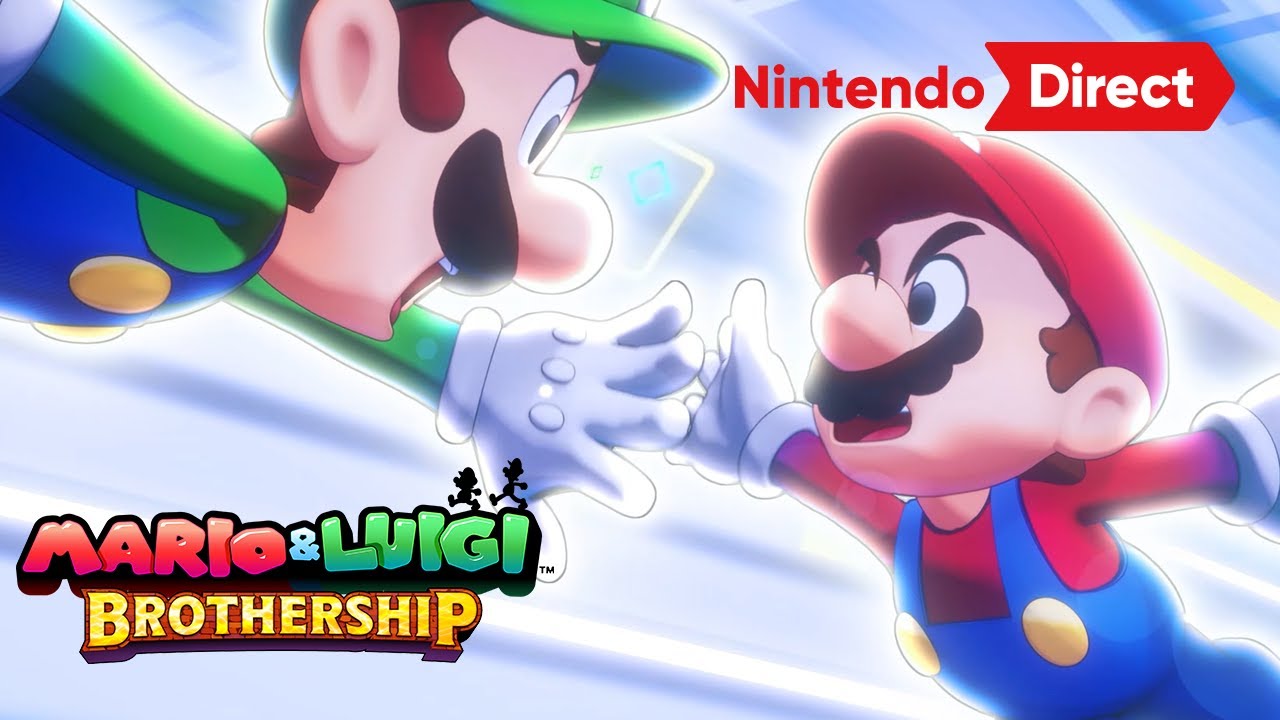
The Great Conductor eventually brings Mario and Luigi to Concordia because of something unique about them.
According to the game's lore, exceptionally strong bonds possess extraordinary power. Mario and Luigi are chosen because their relationship represents one of the strongest examples of connection available.
This decision is extremely important.
The heroes are not selected because they are the strongest fighters.
They are selected because they embody the solution.
Brotherhood as a Symbol
Mario and Luigi have always worked together throughout the series.
Brothership transforms that familiar relationship into the foundation of the narrative.
Their bond represents:
- Trust
- Loyalty
- Cooperation
- Understanding
- Mutual support
In a world being destroyed by separation, these qualities become invaluable.
The brothers are not merely visitors.
They are living examples of what Concordia has lost.
4. Shipshape Island and the Reconstruction of Society
More Than a Hub World
Many RPGs include a central hub where players buy items and accept quests.
Shipshape Island serves a much larger role.
It becomes the first step toward rebuilding Concordia. As more islands reconnect, residents gradually gather on Shipshape Island, making it increasingly lively and interconnected. Nintendo's developers specifically stated that this growth was designed to help players feel the results of their actions.
The Growing Community
Every newly connected island contributes something.
The result is:
- New residents
- New interactions
- New services
- New friendships
- New opportunities
This creates a fascinating dynamic.
The player's progress is measured not only by power levels.
Progress is measured by social restoration.
The island becomes a visual representation of healing.

5. The Islands Reflect Different Forms of Separation
Not Every Island Suffers the Same Problem
One of Brothership's smartest narrative decisions is that each region explores a different form of disconnection.
The developers revealed that various seas were built around themes such as family, friendship, and other forms of relationships.
This allows the game to explore connection from multiple perspectives.
Different Kinds of Broken Bonds
Throughout the adventure, Mario and Luigi encounter:
Family Conflicts
Relatives who struggle to understand each other.
Community Disputes
Groups unable to cooperate.
Cultural Divisions
Communities isolated from one another.
Personal Loneliness
Individuals separated emotionally from others.
Each island presents a variation of the same central issue.
The details change.
The underlying problem remains identical.
People have become disconnected.
6. Zokket's Attack on Relationships
More Than a Traditional Villain
Many Mario villains seek conquest.
Others seek destruction.
Zokket pursues something more unusual.
He converts Connectar into Glohm, a dark energy designed to spread isolation and division throughout Concordia.
This makes him uniquely suited to the game's themes.
Weaponizing Separation
Rather than destroying cities directly, Glohm attacks relationships.
Its effects include:
- Fear
- Distrust
- Withdrawal
- Alienation
- Hostility
This is significant because it mirrors the world's original disaster.
The Uni-Tree's destruction created physical separation.
Glohm creates emotional separation.
The two forces reinforce each other.
Together, they threaten to permanently dismantle society.
7. Reclusa and the Philosophy of Isolation
The Real Enemy
As the story progresses, players discover that Zokket is not the ultimate villain.
The true threat is Reclusa.
Reclusa's goal is not simply power.
Reclusa desires a world of solitude. The entity seeks to transform Concordia into a place where people reject one another and exist in isolation.
Why Reclusa Is So Dangerous
Most villains attack external structures.
Reclusa attacks internal ones.
Specifically:
- Relationships
- Friendships
- Communities
- Families
- Trust
This makes the conflict surprisingly philosophical.
The battle is not merely about survival.
It is about deciding what kind of society deserves to exist.
Reclusa believes isolation is preferable.
The heroes believe connection is essential.
8. The Importance of Bonds
Bonds as a Real Force
One of Brothership's most interesting ideas is that bonds are not merely emotional concepts.
They have tangible effects on the world.
According to the game's lore, Bonds generate Connectar and help the Uni-Tree flourish. Strong bonds can even counter Reclusa's influence.
This transforms relationships into a fundamental force of nature.
Why This Matters
The game effectively argues that society is built upon connections.
Without them:
- Communities weaken.
- Cooperation disappears.
- Trust collapses.
- Isolation spreads.
The fantasy framework allows the story to visualize these concepts literally.
The Uni-Tree grows stronger when bonds strengthen.
The world heals when relationships heal.
This is a remarkably direct expression of the game's central theme.
9. The Gameplay Reinforces the Message
Mechanics and Story Work Together
Many games struggle to align gameplay with narrative themes.
Brothership largely succeeds because its core mechanic mirrors its story.
The player's objective is to reconnect islands to Shipshape Island through lighthouse systems and Connectar-based links.
The gameplay itself becomes an act of reconnection.
A Rare Example of Narrative Consistency
Players repeatedly:
- Discover isolated islands.
- Help local residents.
- Solve regional problems.
- Restore connections.
- Strengthen the larger world.
This loop reflects the story perfectly.
The player is not merely told that connection matters.
The player actively creates connection throughout the entire game.
Nintendo's developers even stated that they intentionally designed both gameplay and story around the shared themes of connection and bonds.
10. Why the World of Concordia Feels Different
A Mario Story About Relationships
Many Mario games focus on rescuing someone or defeating a major threat.
Brothership takes a different approach.
The ultimate objective is restoration.
The game asks players to rebuild a broken world rather than simply save it.
The Emotional Payoff
By the final chapters, the significance of every reconnection becomes clear.
The player's actions have:
- Reunited communities.
- Restored cooperation.
- Strengthened friendships.
- Rebuilt trust.
- Revived hope.
The growth of Shipshape Island symbolizes all of this.
The world gradually becomes whole again because people begin connecting again.
The physical restoration of Concordia mirrors the emotional restoration of its inhabitants.
That is what gives the game's ending its impact.
Conclusion
Mario & Luigi: Brothership may initially appear to be a traditional adventure about exploring islands and fighting villains, but its true focus is much deeper. At its core, the game is an examination of connection itself. Concordia's greatest problem is not a lack of resources, military strength, or magical power. Its greatest problem is separation.
The destruction of the Uni-Tree shattered more than geography. It fractured communities, weakened relationships, and created conditions in which loneliness and distrust could spread. Every major conflict in the game traces back to this original collapse. The scattered islands, the rise of Glohm, the schemes of Zokket, and the ambitions of Reclusa all stem from the same fundamental issue: the loss of connection.
What makes Brothership particularly interesting is how consistently it explores this theme. Nintendo's developers deliberately built the game around ideas such as bonds, friendship, family, and cooperation, ensuring that both the gameplay and narrative reinforce each other. The act of reconnecting islands is simultaneously a mechanical objective and a symbolic one. Every lighthouse restored, every island reunited, and every relationship repaired contributes to the healing of Concordia.
Ultimately, Brothership argues that societies are held together not by power, wealth, or technology, but by relationships. The strongest force in the game is not Connectar, the Uni-Tree, or even Mario and Luigi themselves. It is the bonds that exist between people. By turning connection into both the world's greatest strength and its greatest vulnerability, Mario & Luigi: Brothership delivers one of the most thematically focused stories in the entire Mario RPG series.
Summary: Brothership explores how broken connections shattered Concordia and how bonds ultimately healed it.