.webp)






Few games have reshaped the concept of exploration quite like The Legend of Zelda: Breath of the Wild. Developed by Nintendo, this title challenges traditional game design by removing rigid structures and allowing players to truly explore at their own pace.
Instead of guiding players through a fixed path, the game offers a world that invites curiosity. From the very beginning, players are given the freedom to choose their own direction, creating a sense of adventure that feels both personal and unpredictable.
Hyrule as a Living World
The kingdom of Hyrule is not just a setting—it is a dynamic system that reacts to the player. Weather changes affect gameplay, terrain influences movement, and wildlife behaves in believable ways.
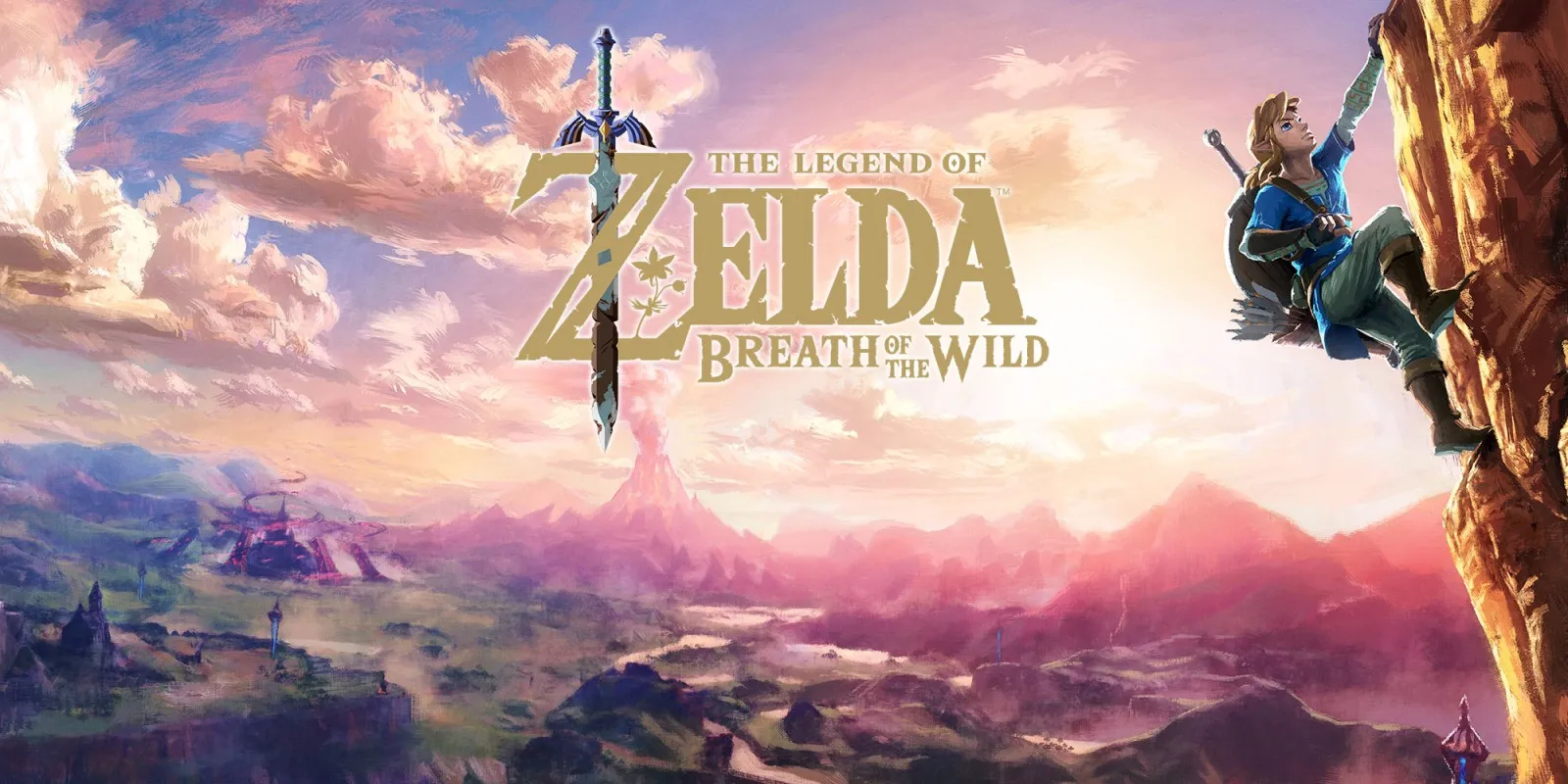
As players travel across mountains, forests, and ruins, they encounter a world that feels alive. There is no need for constant objectives or markers, because the environment itself encourages exploration. A distant mountain or a strange structure on the horizon becomes a natural invitation to investigate.
This design philosophy transforms exploration into a rewarding experience driven by curiosity rather than obligation.
Minimal Guidance, Maximum Discovery
One of the most distinctive aspects of Breath of the Wild is its minimal use of tutorials and instructions. Instead of overwhelming players with information, the game introduces mechanics gradually through experimentation.
Players learn by doing—whether it is cooking meals, solving puzzles, or discovering combat strategies. This approach creates a deeper sense of engagement, as every discovery feels earned.
The absence of strict guidance allows players to develop their own playstyle, making each journey through Hyrule unique.
A Physics System That Encourages Creativity
The game’s physics engine plays a crucial role in its design. Objects interact with each other in logical ways, allowing players to experiment with different solutions.
Combat and puzzles are rarely limited to a single answer. Players can approach situations creatively, using the environment to their advantage. Fire spreads through grass, metal conducts electricity, and wind affects movement.
This level of interaction gives players the tools to think beyond traditional gameplay mechanics, turning problem-solving into a creative process.
Narrative Through Atmosphere
Rather than relying heavily on dialogue, Breath of the Wild tells its story through atmosphere and environmental detail. Ruins scattered across Hyrule hint at a lost past, while subtle visual cues reveal the consequences of past events.
Players piece together the story gradually, uncovering memories and fragments of history. This method creates a deeper emotional connection, as the narrative unfolds through exploration rather than exposition.
Player Freedom as Core Design
At its core, Breath of the Wild is about freedom. Players are not restricted by level requirements or linear progression. From the moment they leave the starting area, they can choose to explore almost any part of the map.
This freedom extends to how challenges are approached. Whether facing powerful enemies or solving complex puzzles, players are encouraged to experiment and adapt.
The result is a gameplay experience that feels organic and self-directed.
A Lasting Influence on Game Design
The impact of Breath of the Wild extends far beyond its own success. Many modern open-world games have adopted elements of its design, including organic exploration, minimal UI, and player-driven discovery.
It has set a new standard for what open-world games can achieve, proving that less guidance can lead to more meaningful engagement.
Conclusion: Exploration Without Limits
The Legend of Zelda: Breath of the Wild stands as a landmark in game design. By prioritizing freedom, creativity, and immersion, it offers an experience that feels both expansive and deeply personal.
In a landscape filled with structured objectives and guided paths, it reminds players of something simple yet powerful: the joy of getting lost in a world and discovering it on their own terms.