.webp) gametoptop.com
gametoptop.comStrange Horticulture Tips & Guide: Essential Beginner Strategies, Plant Identification, and Solving Every Mystery
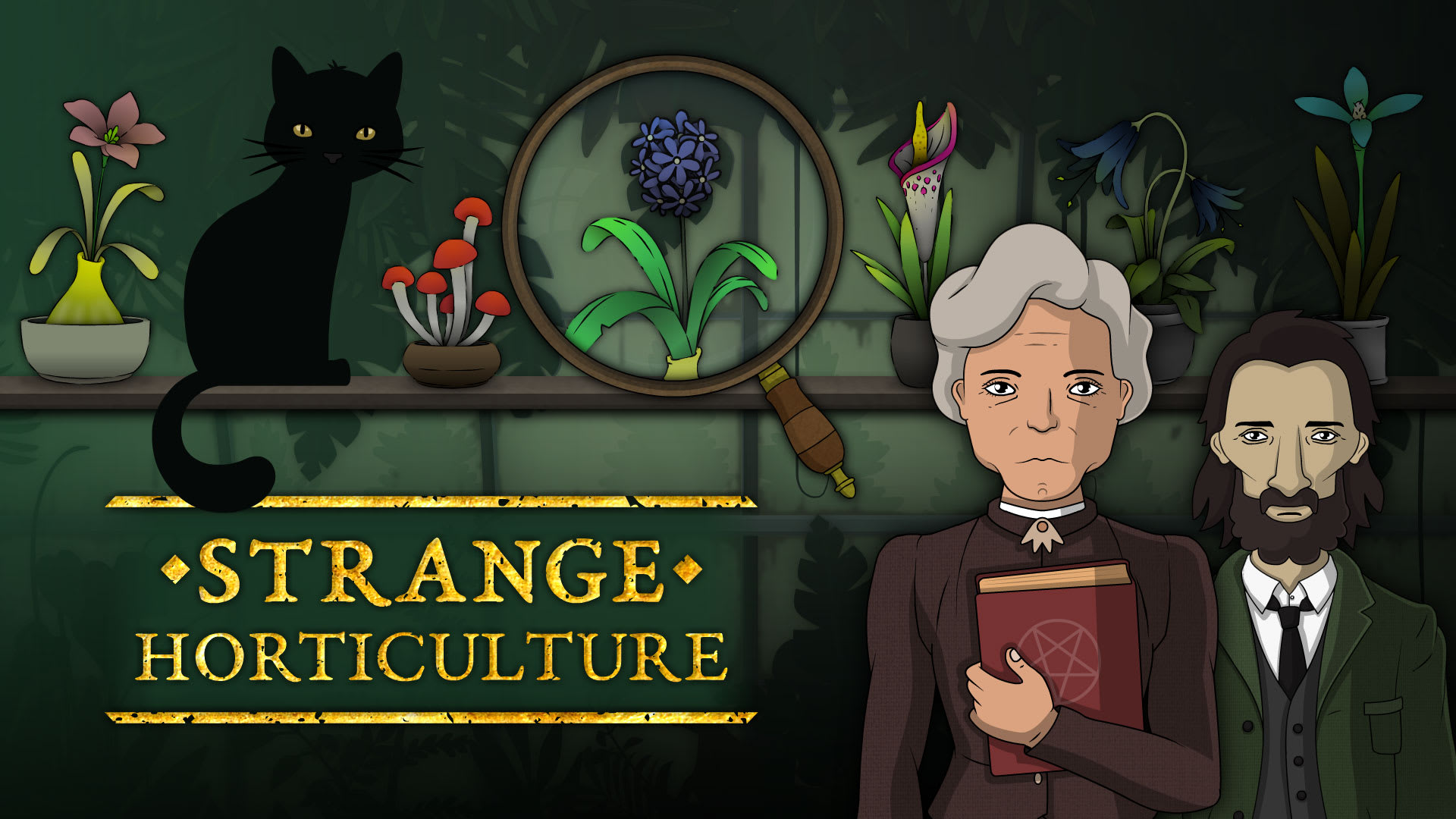
Strange Horticulture is an atmospheric puzzle game that puts you in charge of a small plant shop in the mysterious town of Undermere. As the shopkeeper, you identify unusual plants, help customers find the ingredients they need, and investigate a growing web of secrets involving strange characters, ancient rituals, and supernatural forces.
Unlike traditional management games, Strange Horticulture is built around observation, deduction, and decision-making. You will examine unfamiliar plants, compare their characteristics with clues in your reference materials, and decide which specimens match a customer's description. Some requests are straightforward, while others involve misleading clues or consequences that only become clear later.
The game rewards patience and careful record-keeping. Randomly guessing plant identities or making decisions without considering the evidence can create unnecessary confusion. Whether you are starting your first playthrough or aiming to uncover more of Undermere's secrets, these tips will help you identify plants more reliably, make better choices, and get more from the mystery.
1. Learn the Core Gameplay Loop
The main gameplay loop revolves around identifying plants, serving customers, exploring the surrounding region, and uncovering information about the people who visit your shop. Each activity contributes to your understanding of the world and may unlock new opportunities.
Customers arrive with requests that describe a plant's appearance, properties, or effects. You must consult your plant catalogue, inspect available specimens, and determine which plant best matches the clues. Correct identifications help you serve customers, while mistakes can have consequences depending on the request.
Between customer visits, you may receive letters, discover new clues, or make decisions that influence the unfolding story. These elements gradually connect the shop's everyday business with the larger mystery surrounding Undermere.
Take Your Time With Each Request
There is usually little benefit in rushing through a description. Read the customer's wording carefully and separate concrete details from vague statements.
Pay attention to:
- The physical appearance of the requested plant.
- Any effects or properties mentioned by the customer.
- Clues from previous encounters that might apply.
- The wording of the request, especially when it suggests a specific use.
- Whether the request relates to a developing storyline.
A description that sounds familiar may still refer to a different plant. Instead of relying on memory alone, verify the details against the catalogue.
Treat the Shop as a Research Space
Your shop is more than a place to complete transactions. It is the central location where you compare evidence, organize discoveries, and connect information from different sources.
If you are uncertain about a request, pause and review the information available. A few extra moments spent examining the catalogue can be more valuable than selecting a plant based on a vague resemblance.
2. Master Plant Identification
Plant identification is the most important recurring challenge in Strange Horticulture. At first, many specimens appear similar, and their names may be unfamiliar. As you gather more information, however, the identification process becomes a structured puzzle rather than a guessing game.
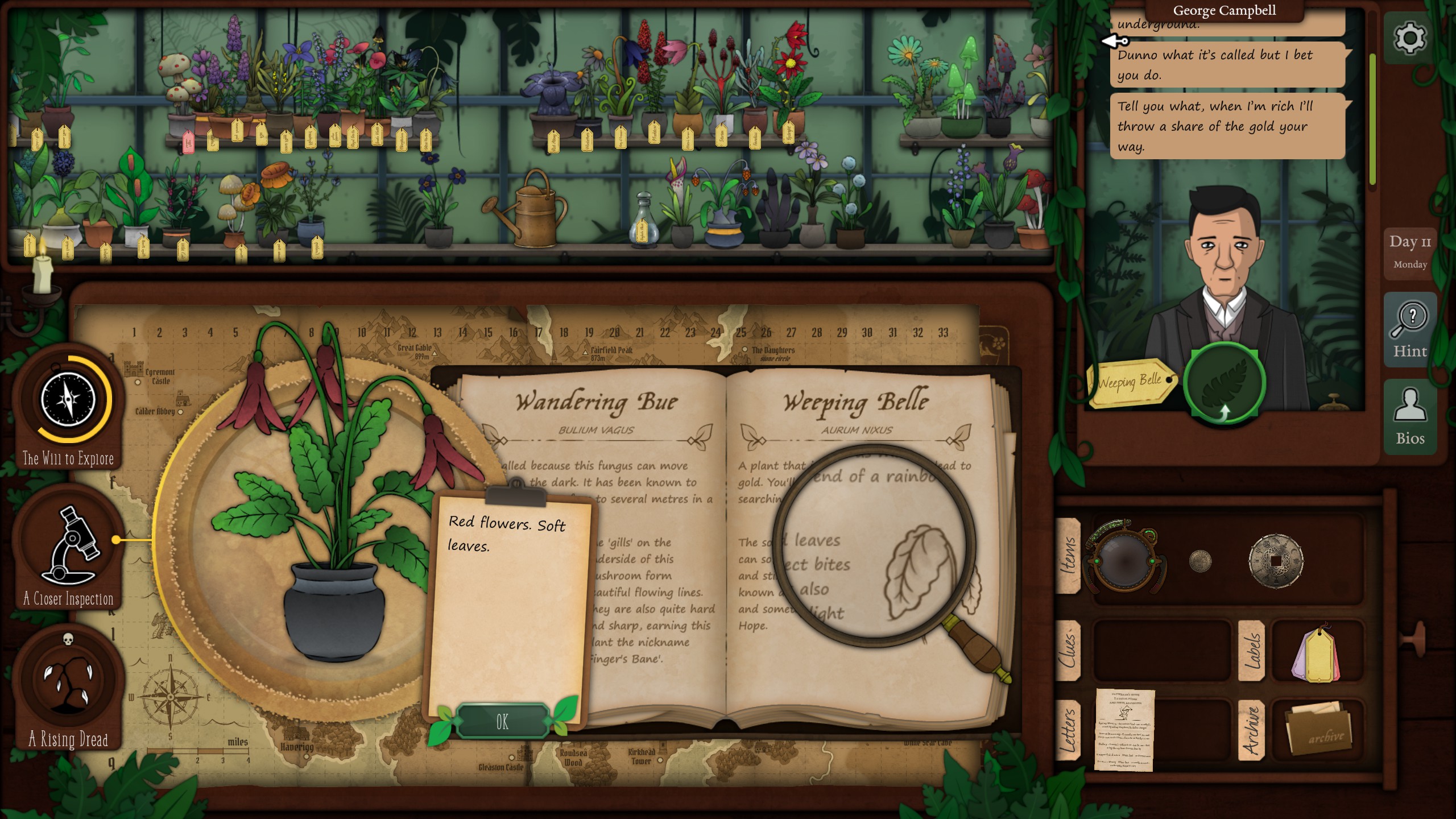
The catalogue provides descriptions that help you distinguish plants by their appearance and characteristics. You should use these entries alongside the illustrations and any clues obtained during exploration.
Compare Multiple Characteristics
Never identify a plant from a single visual feature when other evidence is available. Two plants might share similar leaves but differ in their flowers, stems, or other distinctive details.
A reliable identification process looks like this:
- Read the request and underline the most specific clues.
- Search the catalogue for plants matching those clues.
- Compare the possible candidates with the specimens in your collection.
- Check additional characteristics to eliminate incorrect matches.
- Select the plant only when the evidence supports the decision.
This method becomes especially useful when the game introduces more plants and the catalogue grows more complicated.
Avoid Guessing Based on Names
Plant names can sound descriptive, mysterious, or closely related to their effects. However, a name alone is not sufficient evidence that a specimen is correct.
Instead, prioritize information that directly matches the request. If the customer describes a particular flower shape or a specific property, use that information to narrow the options.
Learn From Incorrect Identifications
If you make a mistake, review what led you to the wrong conclusion. Perhaps you focused on color while overlooking the shape of the leaves, or you confused a general description with a more specific clue.
Mistakes can reveal which characteristics are most useful for distinguishing similar plants. By recording these distinctions, you can make future identifications faster and more confidently.
3. Use the Catalogue and Notebook Effectively
The catalogue and notebook are essential tools for solving the game's puzzles. They preserve information that would otherwise be difficult to remember, particularly as new specimens and characters appear.
The catalogue helps you identify plants, while your notes can help connect customer requests, letters, locations, and other discoveries. Treat these tools as a growing reference library rather than something to consult only when you become stuck.
Build a Personal Reference System
As you discover plants, record the characteristics that make each one distinctive. Focus on details that separate it from similar specimens.
For example, your notes might include:
- Distinctive leaf shapes or flower patterns.
- Special properties mentioned in descriptions.
- Similar-looking plants that are easy to confuse.
- Requests or clues that previously referred to the specimen.
- Additional information learned during exploration.
A short, useful note is often better than copying an entire description. The objective is to make future comparisons easier.
Cross-Reference New Clues
Information obtained later may change how you interpret something you encountered earlier. A customer might mention a property that matches a plant you already catalogued, or a letter might provide context for a seemingly unrelated request.
When a new clue appears, consider whether it connects to existing notes. Do not assume that each discovery belongs to an isolated puzzle.
Keep Your Notes Consistent
Use a consistent format for plant descriptions and story clues. For instance, you might record a plant's appearance first, followed by its properties and any important associations.
This makes it easier to compare entries quickly. It also reduces the chance of overlooking a small but decisive difference when several plants appear similar.
4. Read Customer Requests Carefully
Customers are one of the main sources of both gameplay challenges and narrative information. Their requests can sound simple, but their wording often contains the exact clues needed to identify the correct plant.
Some customers know precisely what they want, while others provide incomplete descriptions or speak in a way that requires interpretation. The challenge is to separate useful information from irrelevant details.
Identify the Most Important Clue
When reading a request, look for the detail that most strongly narrows the possibilities. A broad statement about a plant's general use may apply to several specimens, whereas a specific physical feature may identify only one.
Try asking yourself three questions:
- What property or appearance is essential to the request?
- Which plants in the catalogue match that description?
- Is there any evidence that rules out the most obvious candidate?
These questions help you avoid choosing the first plant that seems plausible.
Consider the Context of the Request
Customer requests are part of the larger story, so context can sometimes help you interpret what is being asked. Information from previous encounters may explain why a character needs a particular plant or why a request has unusual wording.
However, context should support your identification rather than replace direct evidence. A character's personality or storyline role does not automatically prove which plant they need.
Do Not Confuse Confidence With Certainty
A customer may sound completely certain, but you still need to match the request to the available evidence. Equally, an uncertain or unusual description does not necessarily mean that the customer is misleading you.
Approach each request as a small deduction problem. The more consistently you verify details, the less likely you are to make avoidable errors.
5. Explore the Map to Find New Information
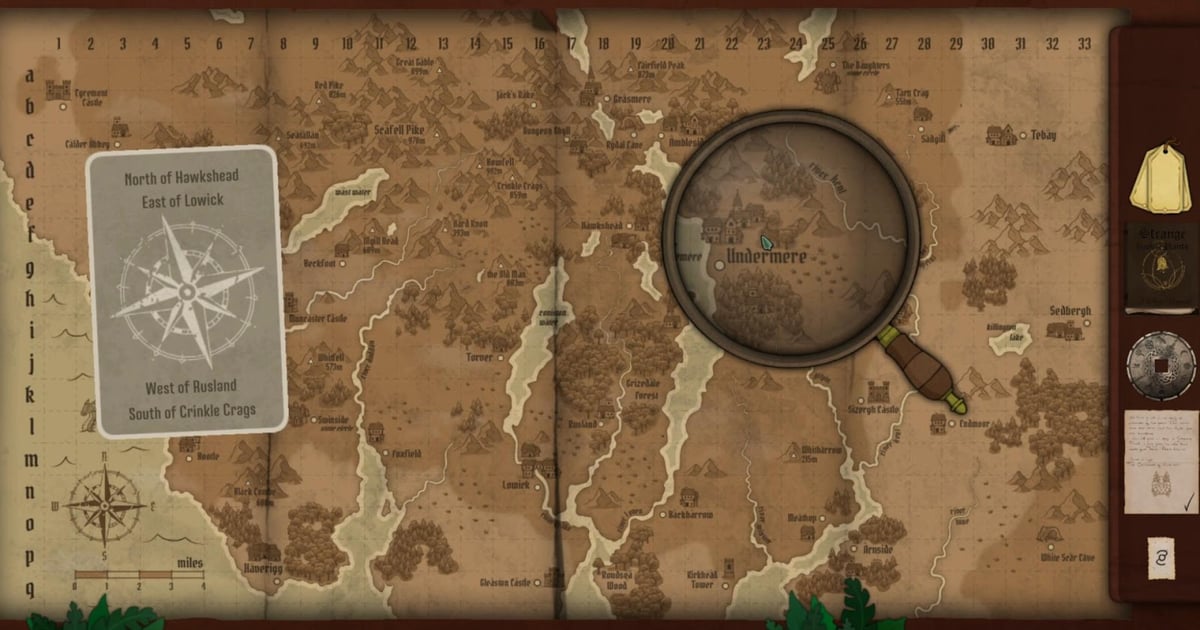
Exploration expands your understanding of the world beyond the shop. By examining locations and following clues, you can discover new plants, receive useful information, and make progress in the wider mystery.
The map is not simply a decorative feature. It represents opportunities to investigate the surrounding region and uncover information that may influence future decisions.
Use Written Clues to Guide Exploration
Letters, customer conversations, and other discoveries can provide hints about where to look next. When a clue mentions a location or a person associated with a particular area, consider whether it offers a reason to investigate that part of the map.
Rather than selecting destinations at random, prioritize locations connected to your current questions.
A focused approach helps you build a clearer understanding of the story and makes it easier to recognize when a new discovery is relevant.
Review New Discoveries Immediately
When exploration provides new information, return to your notes and consider what has changed. A new specimen may fill a gap in your catalogue, while a written clue may help explain an earlier encounter.
Do not leave every discovery until much later. Reviewing information while it is fresh makes connections easier to recognize.
Be Patient With Unfamiliar Locations
Some discoveries may not immediately explain their importance. The game's narrative gradually reveals relationships between people, places, and supernatural events.
If a location produces information that seems disconnected from your current objective, record it rather than dismissing it. It may become relevant when another clue appears.
6. Manage Story Decisions With Care
Strange Horticulture combines plant puzzles with a branching narrative. Your decisions can affect relationships, reveal different information, and influence how the mystery develops.
This means that the game is not simply about identifying the correct plant. You must also decide what to do with the knowledge you acquire and how to respond to characters who may have competing motives.
Consider the Possible Consequences
When presented with an important decision, read the available options carefully. Think about what you know about the people involved and whether previous discoveries support a particular interpretation.
Avoid making a choice solely because it sounds dramatic or mysterious. Consider the likely consequences for the characters and the information you may gain.
You will not always have enough evidence to predict the outcome perfectly. The goal is to make an informed decision rather than a random one.
Keep Track of Important Characters
As the story progresses, different characters may become connected through shared information, conflicting goals, or unusual events. Your understanding of these relationships can help you interpret new developments.
Useful notes include:
- What each character has asked you to do.
- Important statements they have made.
- Their apparent relationship with other characters.
- Any contradictions between their claims and other evidence.
- Decisions that changed your understanding of their motives.
This is especially useful if you are trying to follow the story closely without forgetting details from earlier encounters.
Accept That Some Outcomes May Differ
A single playthrough may not reveal every possible narrative development. Decisions can lead to different experiences, and some information may become clearer only when you revisit the game.
If you are aiming for a particular outcome, keep track of the choices you make. If you prefer discovering the story naturally, focus on gathering evidence and choosing the options that best match your interpretation.
7. Recognize Patterns in the Game's Puzzles
As your catalogue expands, plant identification becomes less about memorizing isolated facts and more about recognizing patterns. Similar requests may use different wording while relying on the same types of clues.
Learning to recognize these patterns makes the game more manageable without removing its central challenge.
Group Plants by Distinctive Features
You can mentally group plants according to their most noticeable traits, such as flower structure, leaf shape, or documented effects. These categories provide a starting point when a request mentions a feature shared by several specimens.
After narrowing the options, compare the more specific details to find the correct match.
This two-stage approach is often more efficient than scanning every catalogue entry from the beginning.
Separate Visual Evidence From Written Evidence
A plant's appearance and its written description provide different kinds of information. The illustration helps you identify physical features, while the catalogue may explain properties that cannot be determined from appearance alone.
Use both forms of evidence together.
If the visual match seems strong but the description contradicts the customer's request, reconsider your choice. If the written description fits but the specimen looks different from what you expected, inspect the illustration again before committing.
Look for Contradictions
Contradictions are useful because they eliminate possibilities. If a plant matches most of a request but fails one important condition, it may be the wrong specimen.
Do not ignore a conflicting detail simply because the rest of the description seems appropriate. Instead, return to the candidate list and test the alternatives.
This habit is valuable throughout the game because several plants can initially appear equally plausible.
8. Avoid Common Beginner Mistakes
Many difficulties in Strange Horticulture come from rushing, overlooking details, or failing to connect information across different parts of the game. Fortunately, most of these problems can be addressed through a few consistent habits.
Mistake 1: Choosing a Plant Too Quickly
The most obvious candidate is not always the correct one. Take time to compare the request with the catalogue, particularly when multiple plants share similar characteristics.
Mistake 2: Ignoring Earlier Information
A clue discovered several encounters ago may become important later. Keep your notes organized and revisit them when a new request seems unusually difficult.
Mistake 3: Treating Every Customer as an Isolated Encounter
Customers contribute to the game's wider narrative. Their requests and statements can help you understand relationships between characters and events.
Even if a request seems straightforward, pay attention to any information that adds context to the story.
Mistake 4: Exploring Without a Purpose
Exploration is useful, but following every possible lead without considering your current questions can make the story harder to follow. Use existing clues to guide your investigations and review the results afterward.
Mistake 5: Making Important Choices Without Reviewing the Evidence
When a decision has narrative consequences, pause to consider what you know. You may still be uncertain, but comparing the evidence gives you a stronger basis for your choice.
Mistake 6: Forgetting to Update Your Notes
A notebook becomes less useful if it contains incomplete or outdated assumptions. When new evidence changes your understanding of a plant or character, revise the relevant entry.
9. Improve Your Playthrough and Discover More Content
Once you understand the basic mechanics, you can focus on getting more out of the experience. This may mean following the story more closely, improving your plant-identification speed, or exploring different decisions in later playthroughs.
Play With a Clear Goal
Before starting a session, decide whether your priority is solving customer requests, investigating a particular storyline, or completing the game with a specific outcome in mind.
A clear goal helps you focus on the information most relevant to your progress. It also makes it easier to identify which clues deserve additional attention.
Revisit Unresolved Questions
If a storyline leaves you uncertain about a character or event, return to the clues you have collected. Look for inconsistencies, missing links, and details that you may have overlooked.
You do not need to solve every mystery immediately. Sometimes, a later discovery will provide the context needed to understand an earlier event.
Use a Second Playthrough to Test Different Decisions
If you enjoy the narrative, another playthrough can help you explore choices you did not make previously. Keep track of major decisions so you can compare how the story develops.
You can also use a second run to improve your identification process by recording which visual details were most useful and which plants you repeatedly confused.
Balance Efficiency With Atmosphere
Strange Horticulture is designed around a distinctive mood of mystery and quiet investigation. While efficient note-taking can make the puzzles easier, there is no need to rush through every interaction.
Take time to read letters, examine descriptions, and absorb the atmosphere. The story's impact comes partly from the gradual discovery of information rather than from solving each individual puzzle as quickly as possible.
https://cdn1.epicgames.com/spt-assets/15e8e3eba65a4763a815d6eae1d763b2/strange-horticulture-19hw4.jpg
10. Advanced Tips for Solving Mysteries More Reliably
The most effective approach to Strange Horticulture combines systematic identification with careful interpretation of the narrative. Instead of relying on intuition alone, build a repeatable method that helps you evaluate evidence and manage uncertainty.
Use an Evidence-Based Identification Routine
For difficult plant requests, write down the essential conditions before checking your catalogue. Then eliminate any candidate that fails one of those conditions.
For example, if a request specifies both a physical characteristic and a particular property, treat both as requirements. A candidate that matches only one should remain unconfirmed until you find supporting evidence.
This approach prevents a common reasoning error: accepting the first plausible answer without checking whether it satisfies the entire description.
Distinguish Facts From Assumptions
When investigating the story, separate what a character explicitly says from what you infer about their motives. A statement is evidence, but it may not tell the whole story. An interpretation can be useful, but it should not be treated as confirmed fact.
Organizing your notes this way helps you reconsider earlier conclusions when new information emerges.
Make Decisions Based on the Strongest Available Evidence
You will sometimes face situations where the game does not provide complete information. In these cases, compare the available options and choose the one best supported by what you know.
Avoid assuming that the most dramatic option is necessarily the most important or that a character who appears trustworthy must be telling the whole truth.
Review Your Progress Periodically
Every few encounters, take a moment to review your catalogue, notes, and unresolved questions. Check whether new discoveries have clarified older mysteries or introduced contradictions that deserve attention.
This periodic review keeps the story coherent and reduces the amount of information you need to reconstruct when a difficult puzzle appears.
Embrace Uncertainty Without Guessing Blindly
Mystery games are most rewarding when you actively interpret the evidence. It is normal to have unanswered questions, and not every detail needs an immediate explanation.
The difference between productive uncertainty and random guessing is the process you use. If you can explain why a plant matches a request or why a story decision seems reasonable, you are making progress even when the outcome remains uncertain.
Conclusion
Strange Horticulture rewards careful observation, organized notes, and thoughtful decisions. To become a more effective shopkeeper, learn to compare plant characteristics systematically, read customer requests closely, and use your catalogue as the foundation for every identification.
Explore the map with existing clues in mind, keep track of important characters, and consider the consequences of major narrative choices. When you encounter a difficult puzzle, look for contradictions, eliminate unsupported candidates, and separate confirmed information from assumptions.
Most importantly, take your time. The game is built around the pleasure of discovering connections between plants, people, and mysterious events. By combining a structured approach with curiosity, you can solve its puzzles more confidently and uncover more of the secrets hidden throughout Undermere.
Description (160 characters): Master Strange Horticulture with tips for identifying plants, solving puzzles, helping customers, exploring Undermere, and uncovering its mysterious story.