.webp) gametoptop.com
gametoptop.comWytchwood Tips & Guide: Essential Strategies for Crafting Spells, Gathering Ingredients, Solving Puzzles, and Exploring the Dark Fairy-Tale World
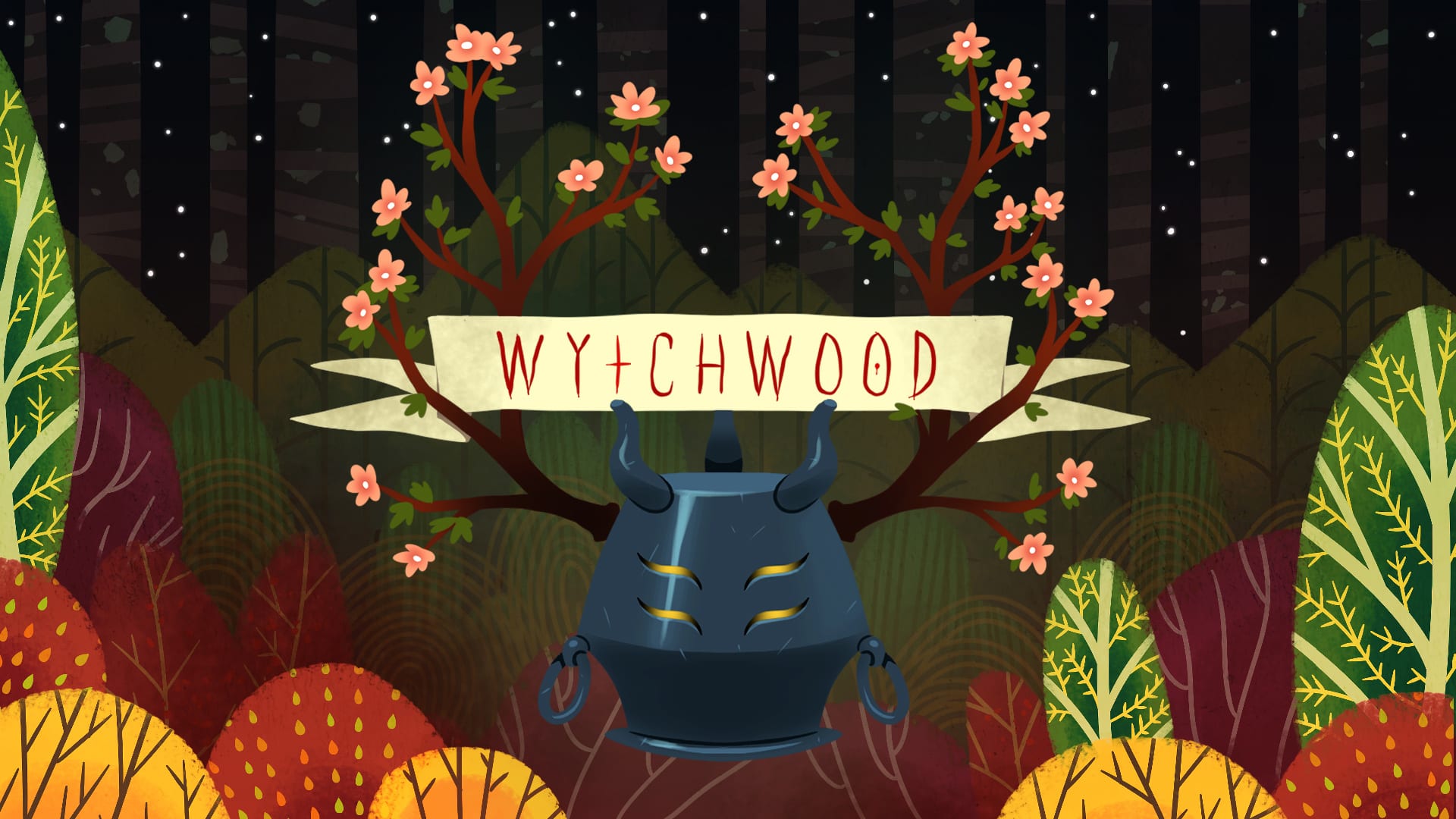
Wytchwood is a crafting adventure game that places you in the role of an old witch exploring a strange world inspired by gothic folklore and classic fairy tales. Rather than focusing on traditional combat, the game challenges you to collect unusual ingredients, craft magical tools, brew potions, solve environmental puzzles, and deal with a colorful cast of characters. Its hand-drawn storybook aesthetic creates a charming atmosphere, but beneath the whimsical presentation lies a game built around observation, preparation, and resource management.
Your journey revolves around fulfilling a mysterious contract and interacting with characters whose problems often require several steps to resolve. You might need to gather ingredients from a forest, craft a specialized item, use it to overcome an obstacle, and then collect something else to continue the story. Understanding how these activities connect makes the adventure much smoother.
This guide covers ten essential areas of Wytchwood, including beginner fundamentals, ingredient gathering, crafting, witch vision, inventory management, puzzle solving, exploration, and quest progression. Whether you are just beginning your adventure or looking to make your remaining objectives easier, these strategies will help you spend less time backtracking and more time discovering the game's strange fairy-tale world.
1. Learn the Core Gameplay Loop
Wytchwood is built around a repeating cycle of exploration, collection, crafting, and problem-solving. You discover a character or obstacle, investigate what is required, gather the necessary ingredients, create the appropriate item, and use it to advance. As you progress, these steps become more involved, with some objectives requiring multiple crafted items before you can complete a single task.
The most important beginner lesson is to approach every obstacle as a small investigation. Instead of immediately collecting everything nearby, identify what the situation demands and work backward from that requirement. If a creature blocks your path, for example, determine whether you need a spell, a tool, or an item that can manipulate its behavior.
Follow the objective before gathering randomly
When you encounter a new quest, read its dialogue and inspect the available clues. The game frequently communicates what you need through characters, environmental details, and the crafting recipes available in your grimoire.
A practical process looks like this:
- Identify the character, creature, or obstacle connected to your objective.
- Inspect the situation and determine which item or effect is required.
- Check whether you already know the relevant recipe.
- Gather missing ingredients from nearby locations.
- Craft the required item and return to complete the task.
- Collect any new materials or information revealed afterward.
This approach reduces wasted effort because each gathering trip has a clear purpose. You will still discover unexpected items while exploring, but your main objective remains easy to track.
Accept that some objectives take several stages
Not every problem can be solved with one potion or spell. Some tasks lead into chains of requirements involving different locations and materials. If an objective seems complicated, separate it into smaller steps rather than trying to solve everything immediately.
The game becomes easier when you recognize that crafting is not an isolated activity. It is the primary method through which you interact with the world, overcome obstacles, and move the narrative forward.
2. Gather Ingredients Efficiently
Ingredients are the foundation of nearly everything you do in Wytchwood. The world contains plants, mushrooms, animal-related materials, and other unusual resources that can be collected and transformed into useful items. Some ingredients are common and easy to find, while others appear in more specific environments or require additional preparation.
Early in the game, it is tempting to collect every visible resource without considering whether it is useful. Although gathering is essential, an unplanned approach can consume time and leave you carrying materials that do not help with your current objectives.
Learn where different resources appear
Pay attention to the environment surrounding each ingredient. Forests, swamps, caves, and other areas contain different combinations of materials, so remembering where you found a resource can save considerable time later.
When entering a new location, take a moment to examine its distinctive features. Look for unusual plants, interactive objects, creatures, and environmental elements that might yield ingredients. If a recipe requires something you have not encountered before, revisit areas that seem suited to that material rather than searching the entire world without a plan.
Gather with future recipes in mind
You do not need to know every recipe before collecting resources. However, it is helpful to keep common ingredients available whenever possible. Frequently used materials can become inconvenient bottlenecks if you consume them all on optional crafting.
Use these habits to improve gathering efficiency:
- Collect ingredients that appear along your route to a current objective.
- Pay attention to resources that have multiple crafting uses.
- Remember locations containing unusual or difficult-to-find materials.
- Revisit productive areas when you need to replenish supplies.
- Avoid making repeated trips for a single ingredient when several needs can be handled together.
As you learn the game's crafting requirements, gathering becomes more deliberate. You will start recognizing which materials deserve priority and which can wait until a future objective calls for them.
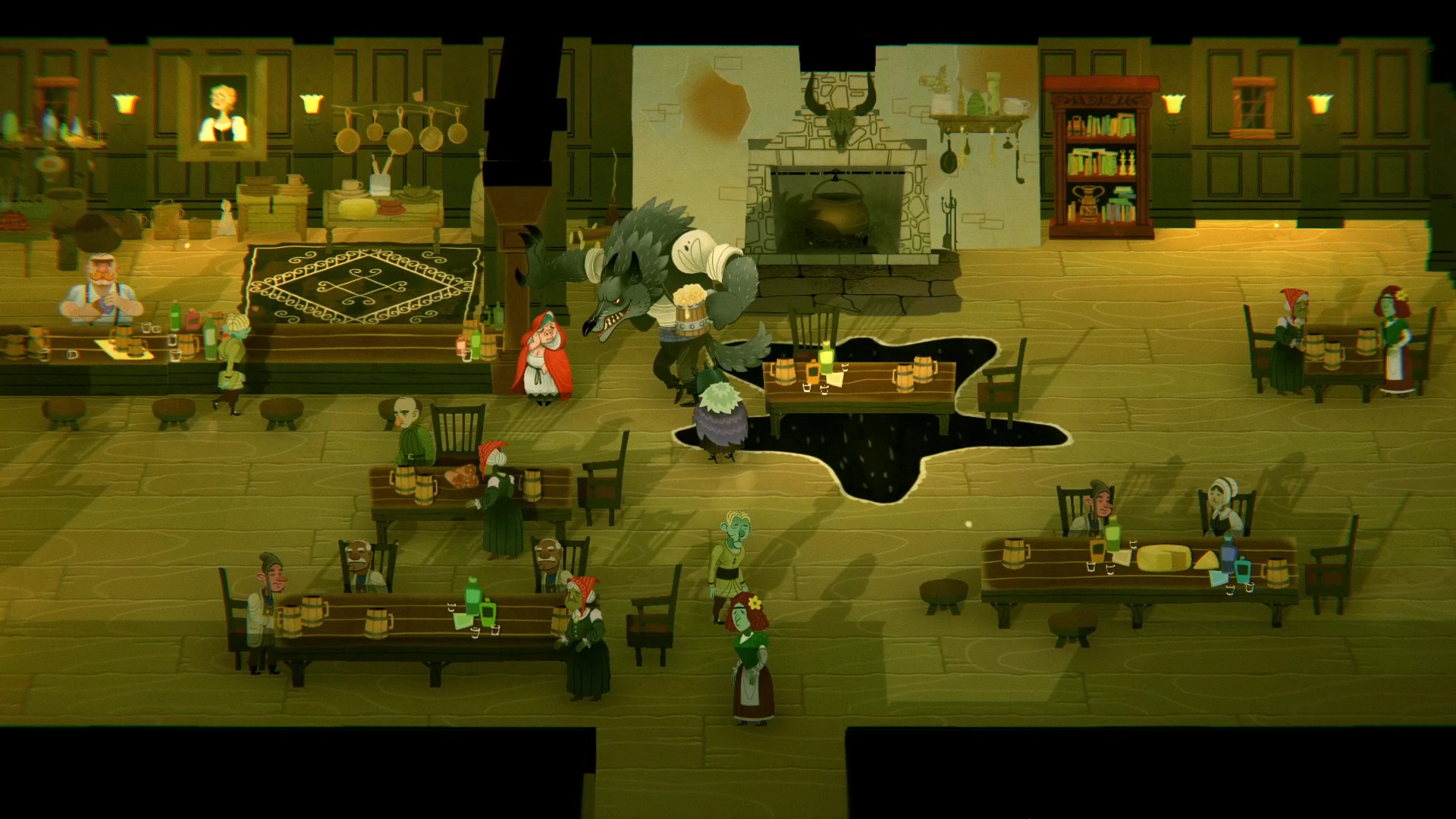
3. Master Crafting and Your Grimoire
The grimoire is one of your most important tools in Wytchwood. It provides access to your inventory, recipes, map, and quest information, helping you understand what you can craft and what remains to be done. Learning to use it frequently is essential because the game expects you to connect collected ingredients with specific recipes.
Crafting transforms raw materials into items with practical uses. Some recipes provide tools for gathering or interacting with the environment, while others create magical effects that help you manipulate creatures or overcome obstacles. The right item can turn an apparently impossible situation into a straightforward puzzle.
Check recipes before collecting everything
Whenever you identify an item needed for a quest, inspect its recipe in the grimoire. This allows you to see the ingredients required and identify which ones are missing.
If the recipe contains several unfamiliar materials, break the task down further. Determine which ingredients you can collect immediately, which require visiting another area, and whether any of them must first be crafted from other resources.
For example, a complicated objective might require a magical item that uses a crafted ingredient, which itself depends on two resources found in different locations. Planning these dependencies in advance is much more efficient than repeatedly returning to the crafting menu after every gathering trip.
Prioritize functional items
Not every recipe deserves equal attention at the moment it becomes available. Focus first on items that help complete the current quest, unlock access to another area, or make future gathering easier.
A useful crafting priority is:
- Items directly required by your active objective.
- Tools or spells that unlock new interactions.
- Items needed to gather otherwise inaccessible resources.
- Additional recipes that support upcoming tasks.
- Optional crafting when you have spare ingredients.
This does not mean ignoring experimentation. Trying new recipes can help you understand the game's systems, but preserving essential materials prevents optional activities from slowing down your main progression.
4. Use Witch Vision to Discover Hidden Clues
Witch vision is an important ability that helps reveal information ordinary observation may not provide. It allows you to identify useful clues and interact with aspects of the environment that might otherwise be easy to overlook. Learning when to use it can make exploration and puzzle solving considerably easier.
A common mistake is to rely entirely on what is immediately visible. Wytchwood often asks you to investigate a situation rather than simply walk toward an obvious objective. A suspicious object, unusual character, or blocked route may make more sense after you examine it with the appropriate ability.
Scan unfamiliar surroundings
When entering a new area, inspect the environment normally first. Then use witch vision to look for additional information, particularly around objects connected to your quest.
You should be especially attentive when:
- A character hints that something is unusual.
- An obstacle appears to have no obvious solution.
- You have reached a location relevant to a recipe or objective.
- You suspect an item or creature may have an additional interaction.
- You have gathered materials but still do not understand how to proceed.
Witch vision should complement observation, not replace it. Read dialogue, examine the environment, and consider the objective before deciding what to do next.
Combine clues with your crafting knowledge
Finding a clue is only part of the solution. The next step is to determine what the information means and which item or interaction can address it.
If witch vision reveals something interesting, compare that discovery with your known recipes and quest requirements. You may already have the tool needed to act on the clue, or you may need to gather additional materials before returning.
This habit turns exploration into a process of deduction. Instead of treating every obstacle as a random puzzle, you learn to recognize recurring patterns between environmental clues, magical items, and the problems characters present.
5. Manage Your Inventory and Materials
Wytchwood's resource-heavy gameplay makes inventory management a practical skill. You will continually collect ingredients, craft items, and consume materials while completing objectives. Without a clear sense of what you need, it can become difficult to remember which resources should be preserved.
The best approach is to treat your inventory as a working supply rather than a collection of everything you have ever found. Ingredients become valuable because of what they allow you to create, so their importance depends partly on your current and upcoming objectives.
Preserve ingredients with multiple uses
When you discover that a material appears in several recipes, consider keeping a reserve. Consuming every unit to complete an optional task may force you to revisit a distant area when a more important objective requires the same ingredient.
This is particularly relevant when you are working through several quests at once. Even if you have enough resources for the current recipe, consider whether using them will leave you unable to craft another item shortly afterward.
You do not need to hoard everything indefinitely. Once you understand a resource's availability and crafting role, you can use it more confidently. The aim is to avoid preventable shortages, not to turn every ingredient into a permanent possession.
Review materials before leaving an area
Before moving on from a location, consider whether you have collected the useful resources available along your route. If you know that a particular ingredient appears in the region, gather enough to support your current needs and a modest reserve when practical.
Likewise, check your recipes before beginning a long sequence of crafting. Knowing what you already have can prevent unnecessary gathering and help you recognize which materials are genuinely missing.
Good inventory management reduces backtracking, supports experimentation, and makes complex objectives feel more manageable. Over time, you will develop a better sense of which resources are common, which are situational, and which deserve special attention.
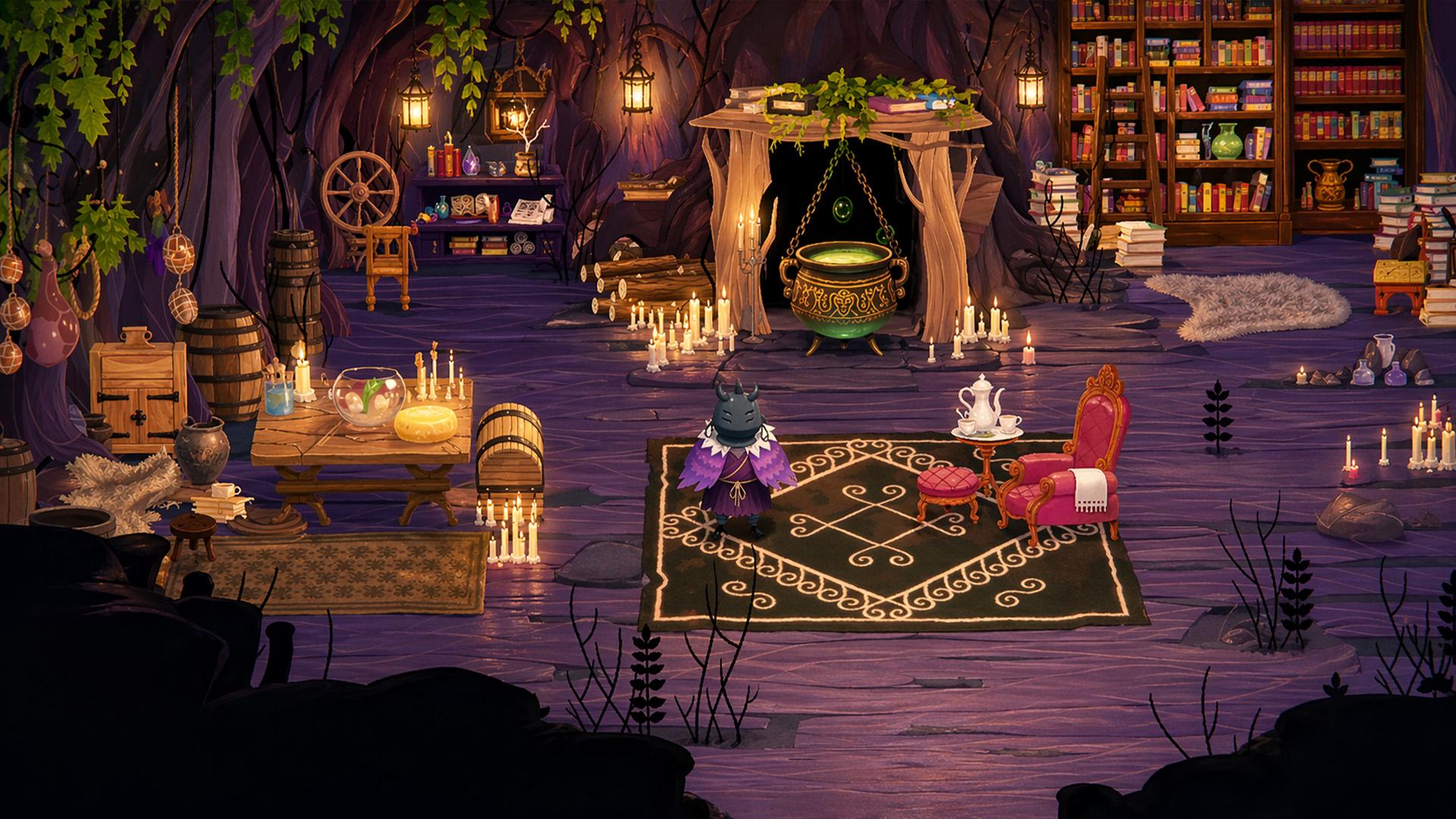
6. Solve Environmental Puzzles Step by Step
Puzzles in Wytchwood often involve understanding a situation and using the correct item or magical effect to change it. You may need to distract a creature, manipulate an obstacle, reveal a hidden clue, or prepare a crafted object that allows you to progress.
The trick is to avoid assuming that every puzzle requires a completely new solution. Many challenges follow the same underlying logic: inspect the problem, identify the relevant interaction, find the recipe that addresses it, and obtain the necessary ingredients.
Work backward from the obstacle
When something blocks your progress, start by asking what must change for the path forward to become available. Does a creature need to move? Is an object preventing access? Is a character demanding something? Is there information hidden in the environment?
Once you understand the desired outcome, look for an item that could produce that effect. The solution may involve a spell, a crafted tool, or a sequence of interactions rather than direct confrontation.
If the answer is not obvious, revisit the quest dialogue and use witch vision to search for clues. Also check whether a newly unlocked recipe appears relevant to the obstacle.
Avoid crafting at random
Repeatedly making unrelated items is rarely the most efficient way to solve a puzzle. It consumes ingredients and can make the process feel more complicated than necessary.
Instead, form a hypothesis and test it. If the game provides a clue about a creature's behavior, think about how a magical item might influence that behavior. If a character mentions a specific need, identify which recipe could satisfy it.
Not every puzzle will be immediately clear, and experimentation is part of the experience. However, using evidence from dialogue, the environment, and your grimoire makes successful solutions more likely.
7. Explore Every Region with a Plan
Exploration is essential because different environments contain different ingredients, characters, and quest opportunities. The world is designed to reward curiosity, and many of your crafting discoveries depend on visiting new areas and examining what they contain.
However, traveling back and forth without a purpose can slow progression. When you need materials from multiple locations, it is more efficient to group those needs together rather than completing one ingredient search at a time.
Combine objectives in the same region
Before traveling, review the ingredients required for your current recipes and identify where you might find them. If several materials are associated with the same region, make a single trip to collect them together.
During the visit, also look for nearby quest interactions and unfamiliar objects. You may discover a useful ingredient or clue that supports another objective, allowing you to complete more work without returning immediately.
A productive exploration trip should ideally accomplish several things: obtain missing ingredients, reveal new information, and identify useful locations for future visits.
Use the map to reduce backtracking
The map and your quest information help you keep track of where you are and what remains to be completed. Consult them when you are unsure whether an objective requires returning to a familiar location or exploring somewhere new.
If a destination seems far away, prepare before leaving. Check your recipes, gather the ingredients you can obtain locally, and make sure you understand what you intend to accomplish.
Do not be afraid to revisit a region when necessary. Some objectives only become solvable after you have unlocked a new recipe or discovered additional information. The goal is not to eliminate all return trips, but to make each one worthwhile.
8. Understand Characters, Creatures, and Fairy-Tale Quests
Wytchwood draws heavily on fairy-tale storytelling, presenting a world filled with unusual characters, strange creatures, and morally complicated situations. Many quests revolve around understanding what a character wants, identifying the problem at hand, and deciding how to intervene using your magical abilities.
Dialogue is therefore more than background storytelling. Characters often provide information about the materials, objects, or circumstances relevant to an objective. Paying attention to their words can help you understand what to investigate next.
Read dialogue for useful information
When a character introduces a problem, look for specific details. Mentions of a creature, object, location, or unusual behavior may point toward the next step in your quest.
If you are stuck, revisit the relevant character or review the quest information available in your grimoire. You may have overlooked a clue or misunderstood which part of the situation requires attention.
Some quests also involve several connected characters. Solving one person's problem may reveal another objective, so treat new information as part of a wider chain rather than an isolated event.
Think beyond the obvious solution
The game's fairy-tale setting encourages creative problem-solving. Characters and creatures may behave in exaggerated or unexpected ways, and the solution to their problems is not always a straightforward exchange of items.
Consider how your available spells and tools could change the situation. A creature's behavior might suggest a distraction, while a character's demand might require crafting something that addresses the underlying problem.
The narrative and puzzle systems work together, making each quest feel like a small story. By combining careful reading with experimentation, you can progress while enjoying the unusual personalities that make the world memorable.
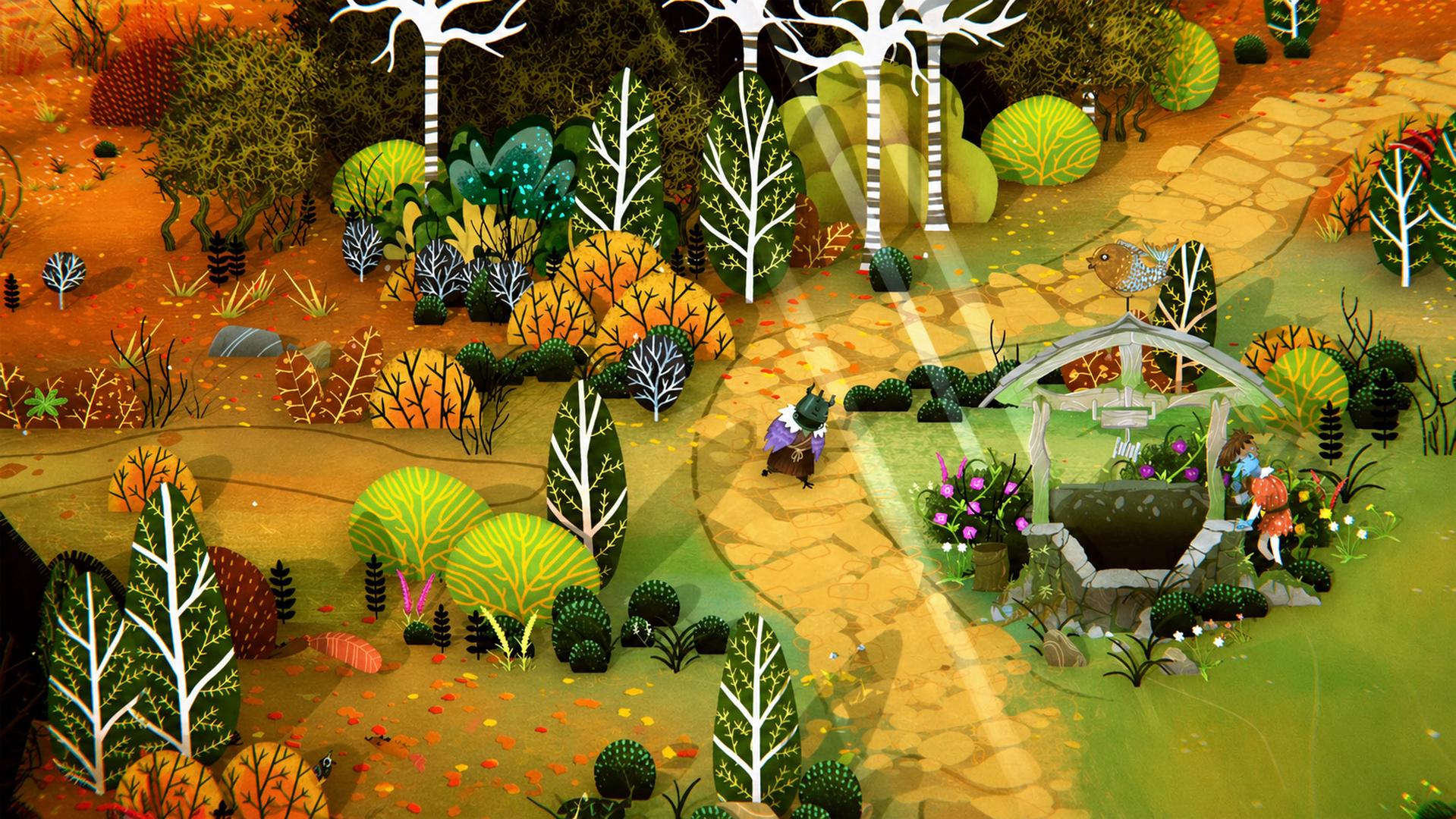
9. Prepare for Dangerous Encounters and Difficult Objectives
Although Wytchwood is primarily a crafting adventure rather than a conventional action game, some situations involve hostile creatures, dangerous environments, or obstacles that cannot be overcome through ordinary movement alone. Your magical tools and crafted items are central to dealing with these challenges.
The best preparation is to understand what an encounter requires before committing resources. If a creature or obstacle has already stopped your progress, inspect the situation and identify whether a particular spell, tool, or environmental interaction can help.
Craft for the challenge at hand
Before attempting a difficult objective, review the recipes available to you and consider which items are most likely to be useful. Do not assume that the most complicated recipe is automatically the best choice. A simple tool or distraction may be all you need to create an opening.
If an encounter goes poorly, use the experience to identify what was missing. Perhaps you need a different item, a better understanding of the environment, or an additional clue from another part of the quest.
Then return with a more focused plan rather than repeating the same approach without changes.
Keep your resources balanced
It is easy to spend ingredients on a difficult task and then discover that you need the same materials for another objective. Before crafting several items for one encounter, check whether their ingredients are rare or required elsewhere.
This does not mean avoiding risk or refusing to experiment. It simply means considering the broader consequences of your decisions. A prepared witch has enough flexibility to handle an unexpected obstacle without having to rebuild her entire inventory from scratch.
As your recipe collection grows, you will become better at identifying which items are useful in different situations. That knowledge makes unfamiliar encounters less intimidating and encourages more confident exploration.
10. Optimize Progression and Avoid Common Beginner Mistakes
Once you understand the relationship between gathering, crafting, exploration, and quests, Wytchwood becomes easier to approach systematically. The main challenge is no longer simply finding ingredients; it is knowing which ingredients to gather, which items to craft, and which objectives to complete first.
You can improve your progression by maintaining a clear objective, keeping commonly needed materials available, and using your grimoire regularly. Whenever you unlock something new, consider how it might help with an existing obstacle before immediately moving on to another activity.
Common mistakes to avoid
Several habits can make the game more time-consuming than necessary:
- Collecting without a purpose: Gathering random materials can distract you from the ingredients required for your current quest.
- Ignoring the grimoire: Forgetting to check recipes and quest details leads to unnecessary backtracking.
- Overlooking witch vision: Important clues may be easier to identify when you use your magical sight.
- Crafting without checking requirements: Making unnecessary items can consume materials needed for more important objectives.
- Ignoring dialogue: Character conversations often contain clues about what to do next.
- Leaving an area too quickly: You may miss useful ingredients or nearby interactions that would save another trip.
- Using every resource immediately: Consuming your entire supply of an ingredient can delay a later quest.
- Repeating failed attempts without adjustment: If an approach does not work, identify the missing tool or clue before trying again.
Avoiding these mistakes does not require a perfect walkthrough. A few moments spent checking your objective and inventory can prevent many unnecessary trips.
Develop a repeatable problem-solving routine
Whenever you encounter a new challenge, follow a simple process: inspect the environment, read relevant dialogue, use witch vision, identify the required effect, check the corresponding recipe, gather missing materials, and craft the item.
If the solution still is not clear, revisit the clues and consider whether the problem requires several stages. Sometimes the item you need is not available until you complete another task or discover a new recipe.
Most importantly, allow yourself to explore at your own pace. Wytchwood is designed around discovery and experimentation, so efficient play should make the adventure more enjoyable rather than turn it into a rigid checklist. With practice, you will recognize recurring puzzle patterns and become much faster at deciding what to do next.
Conclusion
Wytchwood combines gothic fairy-tale storytelling with a satisfying cycle of exploration, ingredient gathering, crafting, and puzzle solving. The key to progressing efficiently is understanding how these systems connect. By checking your grimoire, using witch vision to investigate clues, preserving useful ingredients, and planning your gathering trips, you can avoid unnecessary backtracking and complete objectives with greater confidence.
Remember to approach difficult situations as problems to investigate rather than obstacles to brute-force. Read what characters tell you, identify the effect you need, and work backward to discover the right recipe. As your knowledge grows, the world becomes easier to navigate and its more complicated quests become much more manageable.
Above all, enjoy the strange characters, unusual ingredients, and dark fairy-tale atmosphere. A little preparation goes a long way in Wytchwood, but curiosity is what makes the journey worthwhile.
Description (160 characters): Master Wytchwood with tips for gathering ingredients, crafting spells, solving puzzles, managing resources, exploring regions, and completing fairy-tale quests.