



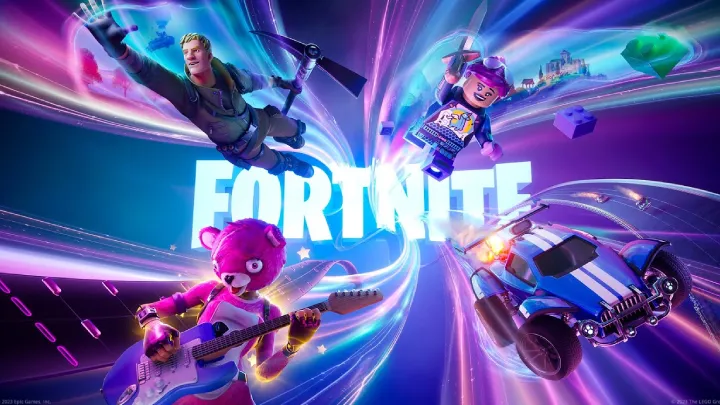
Fortnite has survived trends that destroyed countless multiplayer games. From battle royale fatigue to the rise of extraction shooters, Epic Games continuously reinvented the experience through live events, collaborations, new mechanics, and seasonal overhauls. Yet beneath the colorful cosmetics and explosive updates, one long-running issue continues to divide the community more than almost anything else: skill-based matchmaking.
At first glance, skill-based matchmaking, often called SBMM, sounds fair. Players should compete against opponents near their own skill level. In theory, beginners avoid getting destroyed by professionals, while advanced players enjoy competitive matches. But Fortnite’s implementation has slowly transformed the emotional rhythm of the game. Many casual players no longer feel relaxed when queueing into matches. Instead, every lobby feels sweaty, exhausting, and strangely repetitive.
The problem is not simply that players are “too good.” The deeper issue is that Fortnite’s matchmaking system fundamentally changed how people emotionally experience the game. Random chaos has been replaced by optimization. Funny moments are replaced by efficiency. Casual experimentation is punished. And over time, the game starts feeling less like a sandbox and more like a ranked tournament, even in normal playlists.
The Early Fortnite Era Felt Wild and Unpredictable
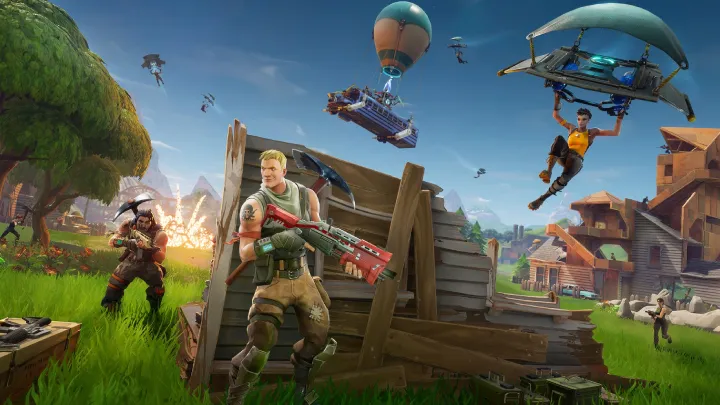
During Fortnite’s early rise in Chapter 1, matchmaking was far less controlled. A single lobby could contain complete beginners, average players, skilled builders, and occasional high-level competitors. This created uneven matches, but it also created unforgettable moments. Players never knew what would happen next.
One fight might involve two players missing every shotgun shot imaginable, while another could suddenly become an intense build battle. The unpredictability gave Fortnite personality. Victory Royales felt magical because they were rare and chaotic rather than mathematically engineered outcomes.
Why Randomness Was Actually Important
Many players now look back nostalgically at old Fortnite not only because of locations or weapons, but because of emotional pacing. Matches had natural highs and lows. Some games were difficult. Others were hilarious. Some were relaxed enough for players to experiment with strange weapon combinations or meme strategies.
- Players could try risky plays without instant punishment
- Casual squads could survive longer
- Funny encounters happened naturally
- The skill gap felt less oppressive
The absence of strict SBMM made the game socially accessible. Friends with different skill levels could still enjoy matches together without one person becoming dead weight.
Skill-Based Matchmaking Changed the Entire Tone of Fortnite
When Epic Games introduced stronger SBMM systems, the intention was understandable. New players were quitting because experienced builders dominated public matches. Fortnite’s skill ceiling had become enormous. Without intervention, beginners had almost no chance of surviving.
However, the system gradually produced a different issue: every match began feeling equally intense. Casual players noticed they could no longer relax. If they performed well for several games, the next lobbies suddenly became dramatically harder.
The “Punishment for Improvement” Feeling
One of the biggest complaints surrounding Fortnite matchmaking is psychological rather than mechanical. Players feel punished for having good games. Winning stops feeling rewarding because success often leads to harder and more exhausting lobbies afterward.
This creates a cycle:
- Player performs well
- Matchmaking increases difficulty
- Next matches become stressful
- Player performs worse
- Game temporarily becomes easier again
Instead of feeling natural, progression begins feeling artificial. Players sense invisible systems manipulating their experience behind the scenes.
Casual Players Now Play Like Tournament Competitors
One unintended consequence of SBMM is cultural. Fortnite’s player behavior changed dramatically once every match became more skill-sensitive. Casual modes slowly evolved into pseudo-ranked environments.
Players began optimizing everything:
- Landing routes
- Weapon loadouts
- Movement paths
- Peek angles
- Healing rotations
- Resource farming efficiency
As competition intensified, experimentation became less common. People no longer wanted to risk losing fights because every opponent was highly capable.
The Death of “Messing Around”
Old Fortnite encouraged absurdity. Players built giant skybases, used shopping carts for trick shots, or spent entire matches trolling enemies with goofy strategies. Today, many public matches feel extremely disciplined.
Even casual players instinctively edit, reset, box-fight, and pressure opponents at high speed because the matchmaking system continuously surrounds them with similarly experienced competitors.
The result is emotional fatigue. A game once known for creativity increasingly rewards mechanical perfection.
Building Mechanics Amplified the Matchmaking Problem
Fortnite’s building system remains one of the most innovative mechanics in multiplayer gaming history. But it also created one of the steepest skill gaps ever seen in a mainstream shooter.
Unlike traditional battle royale games where positioning and aim dominate, Fortnite added real-time architecture to combat. Over time, advanced techniques evolved:
- 90s
- Triple edits
- Piece control
- Protected retakes
- Box fighting
- Edit baiting
These mechanics dramatically increased the difference between average and advanced players.
Why SBMM Became Almost Mandatory
Without matchmaking protection, beginners simply could not survive modern Fortnite build fights. A new player entering a standard lobby against experienced builders would often lose instantly without understanding what happened.
This forced Epic Games into a difficult position.
Option One
Allow open matchmaking and risk losing new players.
Option Two
Implement strict SBMM and risk exhausting long-term casual players.
Epic largely chose the second path, but the solution introduced long-term side effects that still divide the community today.
No-Build Mode Revealed Something Important About the Community
When Fortnite introduced Zero Build mode, many players initially assumed it would become a side distraction. Instead, it exploded in popularity and permanently reshaped the game’s audience.
The success of Zero Build revealed a hidden truth: many players were not tired of Fortnite itself. They were tired of the pressure associated with advanced building culture and intense matchmaking.
Why Zero Build Felt Refreshing
Zero Build reduced several frustrations simultaneously:
- Lower mechanical complexity
- More readable fights
- Shorter engagements
- Less editing spam
- Greater emphasis on positioning and aim
For many returning players, Fortnite suddenly felt approachable again. Matches became less mentally exhausting. Players could focus on movement, strategy, and gunplay instead of hyper-speed construction battles.
Ironically, Zero Build’s popularity indirectly highlighted how stressful regular matchmaking had become.
Streamers and Content Creators Accidentally Made Things Worse
Fortnite’s competitive culture was heavily influenced by streamers and professional players. As creators showcased increasingly advanced techniques, the average player base improved rapidly.
Players copied what they watched online:
- Edit courses
- Aim trainers
- Retake tutorials
- Piece control drills
- Competitive scrim strategies
The casual environment slowly disappeared because millions of players began training seriously.
The Skill Compression Effect
An interesting phenomenon emerged over time. The average Fortnite player became dramatically better than players from earlier chapters. Mechanics once considered “pro-level” eventually became standard.
This created skill compression.
Even average lobbies now contain players with strong mechanics, advanced movement, and deep game knowledge.
As a result, SBMM does not necessarily create relaxed matches for casual players. Instead, it often creates equally difficult matches against similarly optimized opponents.
Fortnite’s Matchmaking Feels Invisible Yet Extremely Aggressive
One reason players become frustrated is because Fortnite’s matchmaking lacks transparency. Most players do not know exactly how the system evaluates performance.
Possible tracked factors may include:
- Eliminations
- Win rate
- Placement
- Accuracy
- Survival time
- Building speed
- Recent performance trends
Because the system operates invisibly, players often interpret sudden difficulty spikes emotionally rather than analytically.
The Rollercoaster Lobby Experience
Many players describe a repeating pattern.
Several manageable matches are followed by brutally difficult games filled with hyper-aggressive opponents. Then, after repeated losses, easier lobbies return temporarily.
This inconsistency creates suspicion that matchmaking manipulates engagement rather than purely balancing skill. Whether true or not, perception matters. Once players believe the system is controlling emotional outcomes, frustration increases dramatically.
Crossplay Intensified the Problem Beyond Matchmaking
Another controversial factor is forced crossplay between platforms. Console players, PC players, and controller users often compete within overlapping matchmaking pools.
This creates additional tension because hardware differences matter enormously in Fortnite.
Why Platform Differences Matter So Much
PC players may benefit from:
- Higher frame rates
- Lower input delay
- More precise mouse aiming
- Faster editing potential
Meanwhile, console players may struggle to keep up mechanically in certain scenarios despite aim assist balancing efforts.
When combined with aggressive SBMM, these differences become more noticeable. Casual console players sometimes feel trapped in highly competitive lobbies against technically superior opponents.
Epic Games Faces an Almost Impossible Balancing Challenge
Criticizing Fortnite’s matchmaking is easy. Designing a better solution is much harder. Epic Games must balance several competing goals simultaneously:
- Protect beginners
- Retain casual players
- Support competitive integrity
- Maintain fast queue times
- Prevent smurfing
- Keep matches engaging
Improving one area often damages another.
Why Completely Removing SBMM Would Probably Fail
Some players demand the total removal of skill-based matchmaking, but that solution would likely create severe problems. New players entering modern Fortnite without protection could face immediate destruction by experienced veterans.
The skill gap is simply too large now. Fortnite today is not the same game as early Chapter 1. The average player possesses years of accumulated knowledge.
Without some form of matchmaking balance, player retention among newcomers could collapse.
The Real Problem May Be Emotional Burnout
The deepest issue surrounding Fortnite matchmaking may not actually be fairness. It may be emotional exhaustion.
Modern multiplayer games increasingly optimize engagement through algorithms, retention systems, ranked structures, and performance analysis. Over time, this transforms how players emotionally interact with games.
Fortnite Used to Feel Like a Playground
Earlier Fortnite felt socially chaotic. Winning mattered, but funny moments mattered too. Players spent time exploring maps, testing goofy weapons, and creating stories naturally.
Today, many matches feel performance-oriented from the very first second. The emotional atmosphere changed from playful survival to constant evaluation.
Even highly skilled players sometimes report burnout because every session demands concentration and mechanical precision.
What Fortnite Could Learn Moving Forward
Fortnite remains one of the most successful live-service games ever created. Its ability to evolve is unmatched. But matchmaking continues to represent a delicate long-term challenge.
Epic Games may need to rethink not only balance, but emotional pacing.
Potential Improvements
- Looser matchmaking in casual playlists
- Greater playlist variety
- Transparent matchmaking explanations
- Rotating “chaos modes” with reduced SBMM
- More reward systems for creativity instead of pure elimination efficiency
Players do not always want perfectly balanced matches. Sometimes they want memorable stories, surprising encounters, and unpredictable gameplay.
The magic of Fortnite was never just competition. It was the feeling that absolutely anything could happen in a single match.
Conclusion
Fortnite’s skill-based matchmaking controversy reflects a larger issue affecting modern multiplayer gaming. Systems designed to maximize fairness can unintentionally remove spontaneity, creativity, and emotional variety. While SBMM protects new players from overwhelming skill gaps, it also transforms casual matches into relentless tests of efficiency.
The result is a game that remains technically impressive but emotionally different from the Fortnite many players originally fell in love with. Zero Build’s success proved that millions of players still adore Fortnite’s core identity when pressure is reduced. The challenge for Epic Games moving forward is not simply balancing skill. It is restoring the sense of freedom, unpredictability, and fun that once defined every match.